


Favourites

Account

Basket
VAT:
Ex
Inc


For customers in Scotland, recent changes in 2024 to legislation regarding the ban on the sale of gas boilers remain a key talking point for Scottish homeowners, businesses, and installers.
With more customers seeking additional help and advice on the boilers they can legally purchase and install, City Plumbing examines the implications of Scotland’s heating regulations. Considering the reasoning behind the changes, what has happened so far, and looking ahead to the future, we help installers navigate the topic of installing and using gas boilers in Scotland.
Reducing Scotland's Emissions
Scotland is at the forefront of the UK's efforts to decarbonise heat and achieve its ambitious climate change targets.
With a statutory goal of reaching net-zero greenhouse gas emissions by 2045, five years ahead of the rest of the UK, the Scottish Government has introduced significant regulations to transform the way buildings are heated.
These regulations are primarily outlined in the Heat in Buildings Strategy, which aims to phase out high-emission heating systems, such as fossil fuel boilers, and transition to cleaner, more efficient alternatives.
The regulations are designed to reduce the significant portion of Scotland's emissions—around 20%—that comes from heating building

Timeline of Notable Changes To Heating Regulations Scotland
Here’s a brief timeline of some of the key developments and changes to Scotland's heating regulations over the last two years, alongside a look ahead at what’s still to come:
- 2023: A consultation on a proposed Heat in Buildings Bill was launched in November. The first set of regulations under the Heat Networks (Scotland) Act 2021 were introduced in May, requiring public buildings to assess their heat demand and potential to connect to heat networks.
- April 1, 2024: The New Build Heat Standard (NBHS) came into effect. This is a major regulatory change that bans the installation of direct emissions heating systems, including gas boilers, in all new-build homes and buildings. This also applies to certain building conversions.
- 2025: Regulations are expected to be introduced to require owners of commercial buildings to improve energy efficiency and install zero-emission heating systems.
- 2028: The initial proposed date for the phase-out of fossil fuel boilers in existing homes was delayed from 2025 to at least 2028. Additionally, privately rented homes must meet a minimum energy standard by this date.
- 2033: Owner-occupied homes are required to meet the same minimum energy standard as privately rented properties.
- 2045: Scotland aims to have eliminated all direct emissions from heating buildings, requiring all homes to have switched to a zero-emissions heating system.
Gas Boiler Ban Scotland: What This Means
The most notable change in Scotland's heating regulations is the effective ban on gas boilers. While the outright ban on new installations in existing homes is not yet in effect, the prohibition in new builds marks a crucial step. This has several significant implications:
For New-Build Homeowners: The most immediate impact is on those purchasing new homes. Since April 2024, these properties must be built with a zero direct emissions heating system. This means they will not have a traditional gas boiler, but rather an alternative like a heat pump or a connection to a district heating network. This ensures new homes are future-proofed against upcoming regulations and are more energy-efficient from the start.

For Existing Homeowners: There is no requirement for homeowners to rip out their existing, functioning gas boiler. The future phase-out, currently expected around 2028, will apply to new installations in existing homes.
This means that when an old gas boiler needs to be replaced, homeowners will be required to install a zero-emissions alternative. This gives them time to plan for the transition and take advantage of financial support.
For Landlords: The regulations pose a particular challenge and opportunity for landlords in Scotland. The upcoming minimum energy standards for private rented properties, starting in 2028, will likely necessitate a shift away from older, less efficient heating systems.
While they can continue to use and maintain existing gas boilers, replacing a broken one in the future will be subject to the new regulations. Landlords will need to budget for the higher upfront costs of installing alternative systems to ensure their properties remain compliant and attractive to tenants.

Next Steps: The Solution to the Problems Posed By The Scotland Gas Boiler Ban
The regulations present a clear problem: what are the viable alternatives to gas boilers, and how can the public afford them? The key takeaways are the range of options available and the financial support offered to ease the transition.
Primary solutions being promoted include:
- Heat Pumps: The most common alternative. These systems, whether air-source, ground-source, or water-source, use electricity to extract heat from the environment and transfer it into the home. They’re highly efficient and produce significantly lower carbon emissions than gas boilers. The Scottish Government offers a Home Energy Scotland Grant and Loan Scheme of £7,500 and interest-free loans to help with the installation costs, which can be substantial (around £10,000 or more).
- District Heating Networks: These networks provide heat from a central source, often using renewable energy, to multiple buildings. They are an efficient solution for densely populated areas and are being actively supported and expanded by the Scottish Government.
- Electric Boilers and Hybrid Systems: While less efficient than heat pumps, electric boilers can be a viable option, particularly in smaller homes. Hybrid systems, which combine a gas boiler with an electric heat pump, are another way to reduce emissions while providing a backup heat source.
The key to overcoming the financial barrier is the government's support. Grants, loans, and other schemes are crucial for making the transition affordable for homeowners and landlords.
Get Ahead of the Scotland Gas Boiler Ban With City Plumbing
Scotland's heating regulations represent a landmark shift in the country's energy policy. By banning gas boilers in new builds and setting a clear timeline for the phase-out in existing properties, the government is taking decisive action to meet its net-zero goals.
While this presents challenges in terms of cost and public awareness, the focus on promoting and subsidising alternative technologies like heat pumps and district heating networks provides a clear pathway forward.
Ultimately, these regulations are not just about reducing emissions; they’re about creating a more sustainable and resilient energy future for Scotland, one that is less reliant on volatile fossil fuel prices and more focused on clean, renewable heat.
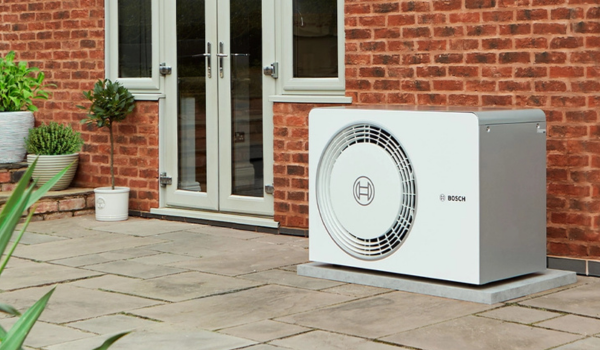
Our Energy Efficiency Specialists at City Plumbing can help Scottish homeowners and businesses make the switch to renewable energy with ease. Featuring a dedicated Renewable Hub, we’re your first port of call for heat pumps, solar panels, underfloor heating, electric vehicles and all other essential renewable products.
City Plumbing is here to help and support all those in the trade get the job done while working within regulations. Take a further look at our website for further information on how we can help you stay compliant.
Other articles

Don't Get Caught Out: New Ventilation Regulations
19 Jun 2023 ・ 8 Mins
Important Plumbing Regulations for Installers
19 Sep 2023 ・ 3 mins
Help & Feedback
 Chat With Us
 Give Us Feedback