


Favourites

Account

Basket
VAT:
Ex
Inc


UK winters are tough on domestic pipework. While most homeowners notice a major burst pipe immediately, the real danger often lies beneath the floorboards or under the garden path.
It’s the hidden damage, the tiny hairline fractures caused by the relentless "freeze-thaw" cycle, that causes the most long-term grief. As the ground warms up in the spring, these microscopic cracks expand, turning a minor weep into a structural nightmare.
Given these hidden risks, proactive inspection is essential. At City Plumbing, we understand that prevention is significantly cheaper than an emergency call-out fee. Here, we offer a quick, professional 5-step plumbing audit to help you spot hidden winter damage before it leads to an expensive spring flood.
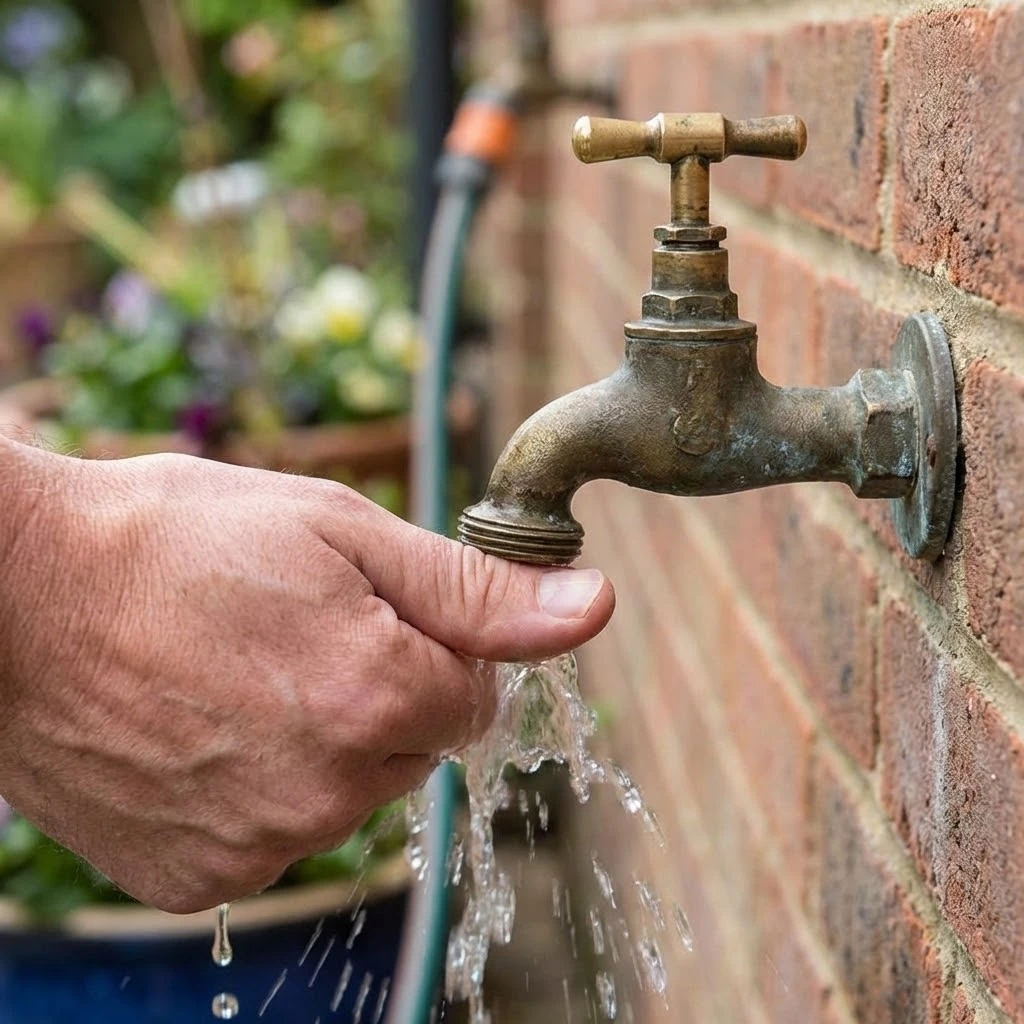
1. The 'Thumb Test' on Garden Taps
External taps are the most exposed part of your plumbing system. Even if they seem to work, they may have split internally.
- How to spot it: Turn the tap on and place your thumb firmly over the opening to block the flow.
- The Red Flag: If the water pressure drops or you hear a "hissing" sound coming from inside the wall, you likely have a split pipe. This means every time you use the hose, you are leaking water into your cavity wall.
2. Inspect the 'Cold Zones' (Lofts & Crawlspaces)
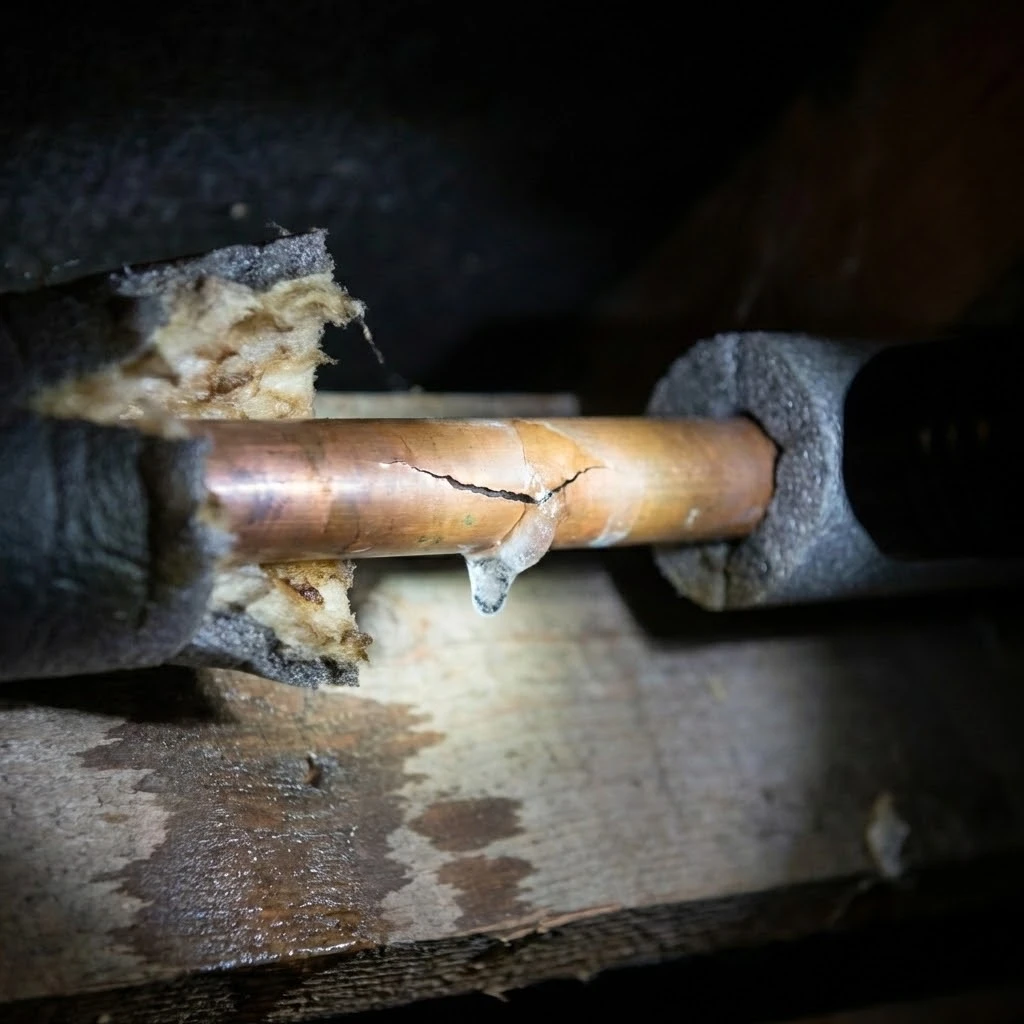
In many British homes, the loft is unheated, making it a prime spot for pipes to have frozen and slightly expanded.
- How to spot it: Take a torch into the loft. Look for damp patches on the floorboards or "shining" spots on the insulation.
- The Red Flag: Check the joints of the pipes. If a joint looks slightly pulled apart or has a crusty white/green buildup (limescale), it’s a sign of a "slow-weep" leak caused by winter pressure.
3. Listen to Your Boiler’s 'Language'
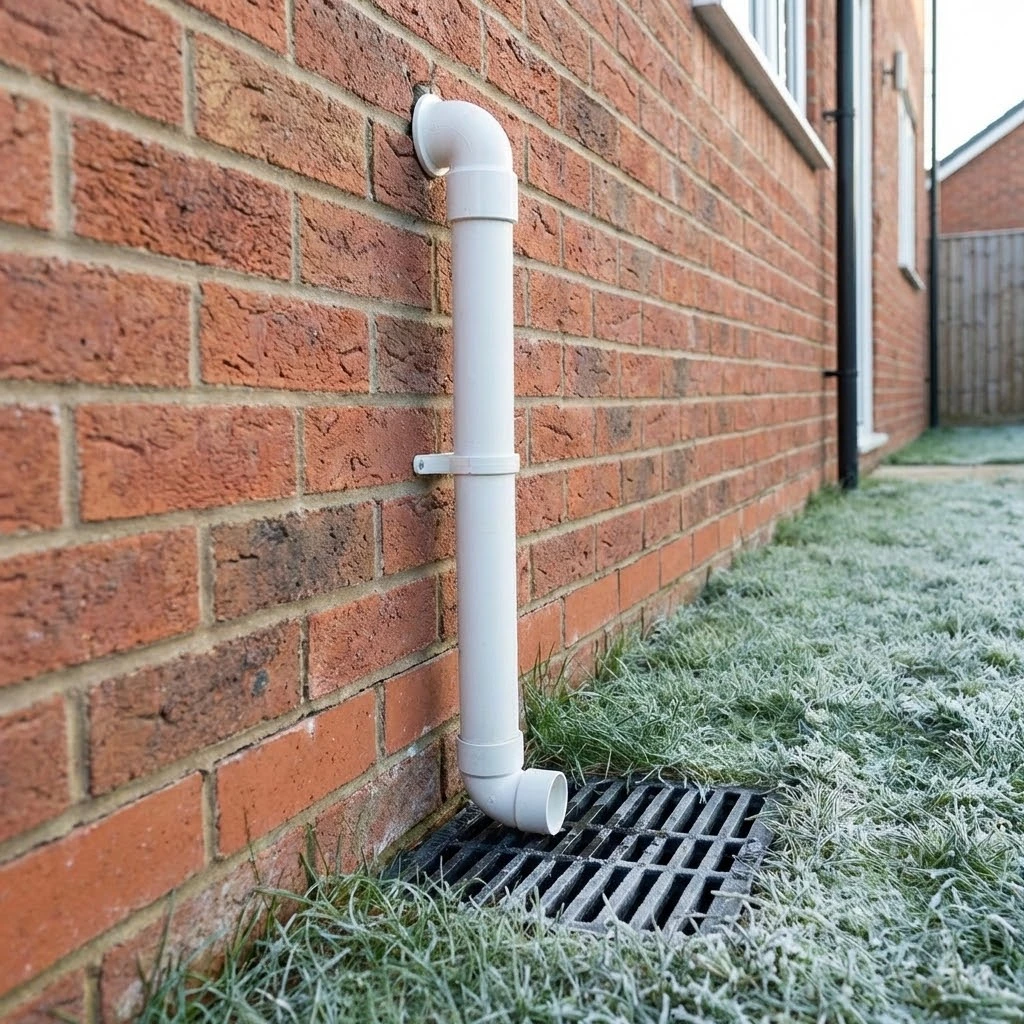
Your boiler worked overtime during the winter. Now is the time to check the Condensate Pipe (the white plastic pipe that runs outside).
- How to spot it: Listen for a gurgling or bubbling sound when the heating is on.
- The Red Flag: If the pipe cracked during a deep freeze, it can cause back-pressure. If you see water dripping from the boiler casing internally, or notice a "Fault Code" appearing intermittently, the external pipework may have sustained winter damage.
4. The 'Silent' Water Meter Check
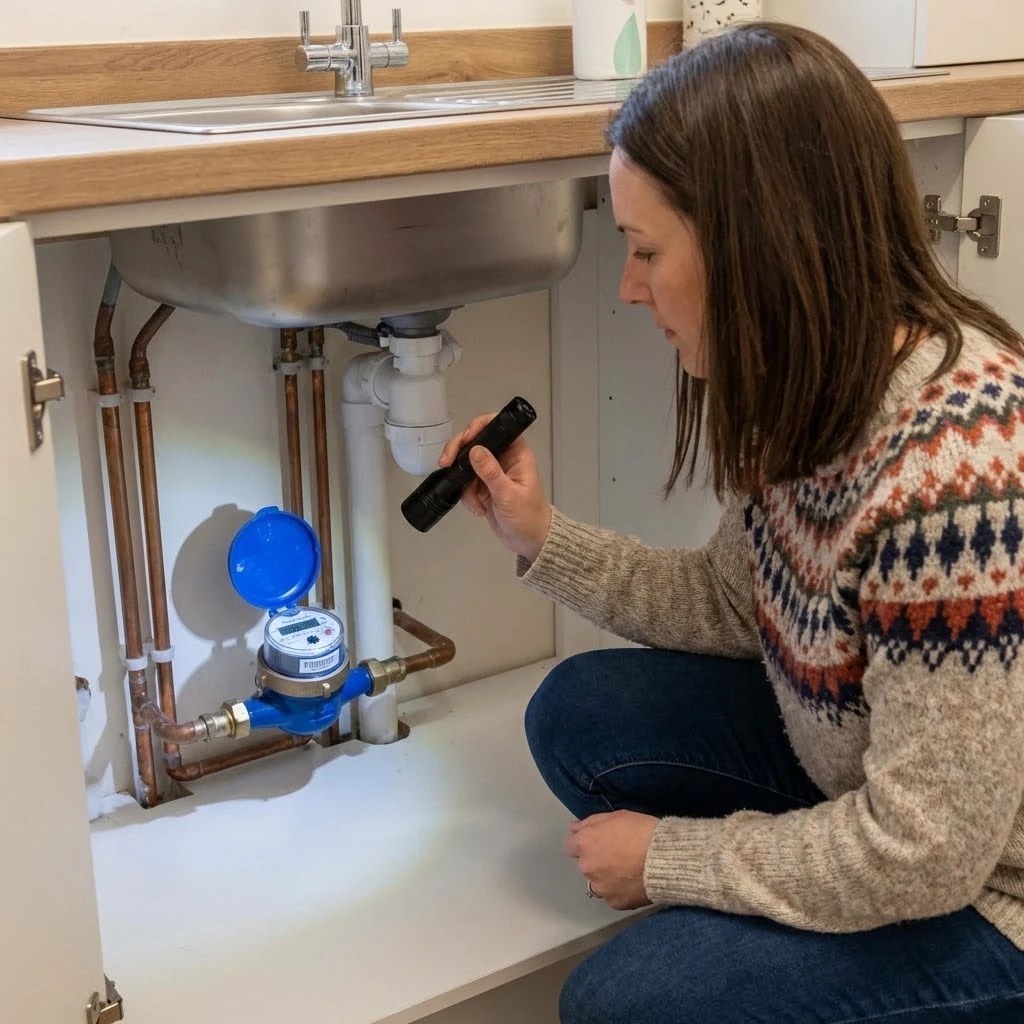
Some leaks are buried deep under floorboards or in the foundations where you can’t see or hear them.
- How to spot it: Ensure all taps, showers, and appliances (dishwasher/washing machine) are turned off. Locate your water meter (usually in the path or under the sink).
- The Red Flag: Take a reading, wait 30 minutes without using any water, and check again. If the red dials have moved even a fraction, you have a hidden leak that needs professional attention.
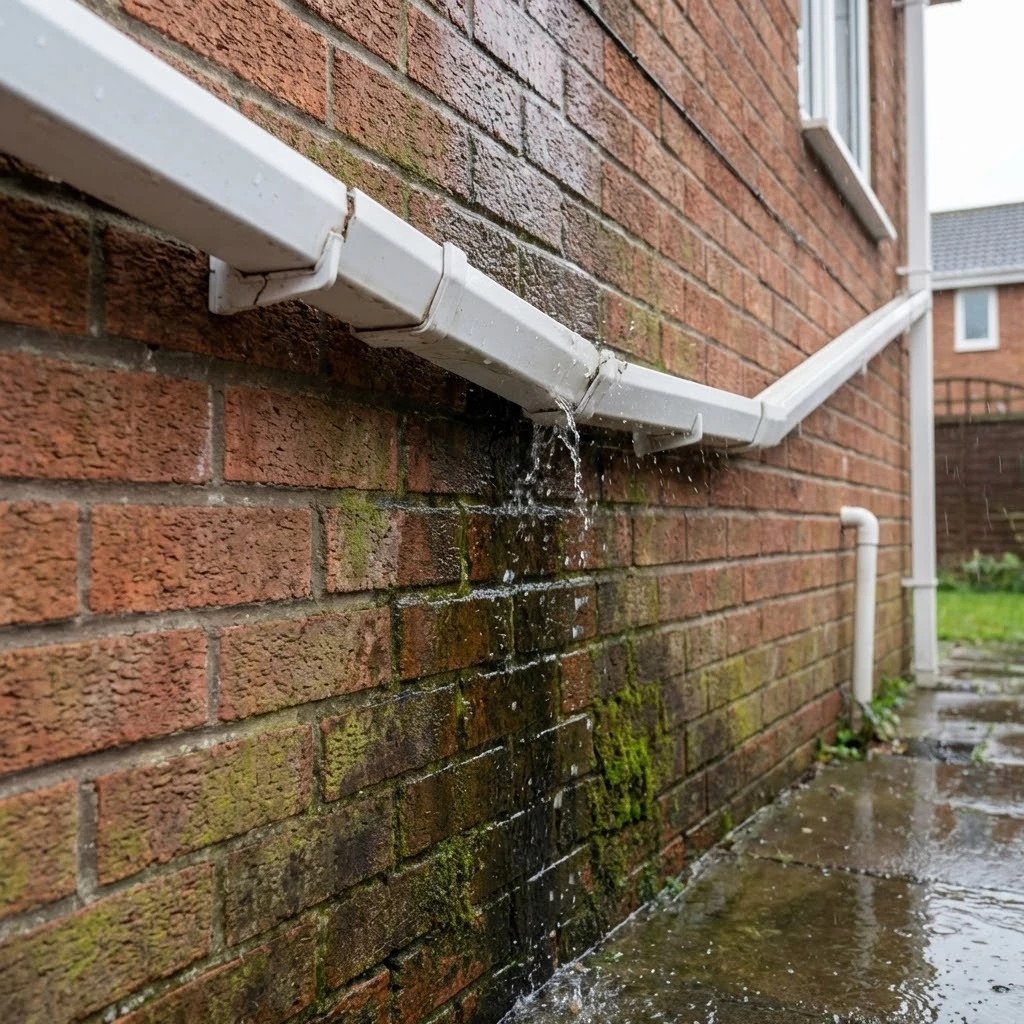
5. Trace Your Guttering and Downpipes
Heavy snow and ice can "bow" plastic guttering or crack the brackets.
- How to spot it: Check the exterior walls for dark, damp tidemarks or green moss growth that wasn't there in autumn.
- The Red Flag: If water is splashing behind the gutter or leaking from a joint during a spring shower, the winter ice has likely compromised the seals. This can lead to internal damp and ruined plasterwork.
Proactive Maintenance Matters
Spring is often seen as a time for renewal, but for your home’s plumbing, it can be a "season of reckoning." The damage caused by the winter freeze-thaw cycle doesn't always reveal itself immediately; often, it waits until the ground thaws and pipework expands to show its true colours.
By taking just one hour this weekend to perform these five checks, you aren't just looking for leaks; you’re protecting your home’s structural integrity and your financial peace of mind. Prevention will always be more cost-effective than an emergency repair. Whether it’s a quick tightening of a valve, a routine boiler check, or identifying a hairline fracture before it bursts, your vigilance today is the single best investment you can make in your home this season.
Don't wait for the thaw to tell you there’s a problem. If you’ve spotted any of the red flags above, it is time to grab your toolkit or find a tradesperson near you. A small fix now prevents a flooded home later.
If you’re looking for further helpful advice and suggestions on the best ways to keep your home functioning and at peak performance, take a look at the City Plumbing website for expert guidance.
Help & Feedback
 Chat With Us
 Give Us Feedback