



Favourites

Account

Basket
VAT:
Ex
Inc


 45 years of trusted expertise
Is your boiler constantly clicking on and off? If your heating system fires up for only a few minutes before shutting down again, you’re likely dealing with boiler short cycling. Boiler cycling (specifically "short cycling") is one of the most common reasons for high energy bills and premature boiler breakdowns in the UK. While it’s normal for a boiler to turn off once your home reaches the desired temperature, "short cycling" occurs when the boiler switches on and off every few minutes (often 5–10 times an hour) without ever properly warming your home.
At City Plumbing, we know that an inefficient boiler doesn’t just mean a cold home; it leads to skyrocketing energy bills and unnecessary wear on expensive internal components. So, here, in this helpful guide, we’ll explain why your boiler is cycling, how to spot the signs of an oversized system, and the simple DIY steps UK homeowners can take to restore efficiency and protect their heating investment.
How to Spot Boiler Short Cycling
If you suspect your boiler is cycling too often, time it. A healthy heating cycle usually lasts 8 to 15 minutes.
- The "Stop-Start" Sound: You hear the boiler ignite, run for 2 minutes, and then go silent, only to fire up again moments later.
- Uneven Heat: Some radiators are boiling hot while others are barely lukewarm.
- The Bill Spike: Your gas usage is significantly higher than in previous years, despite similar weather.
- Fluctuating Hot Water: If you have a combi boiler, the water in your shower might go from hot to cold and back again.
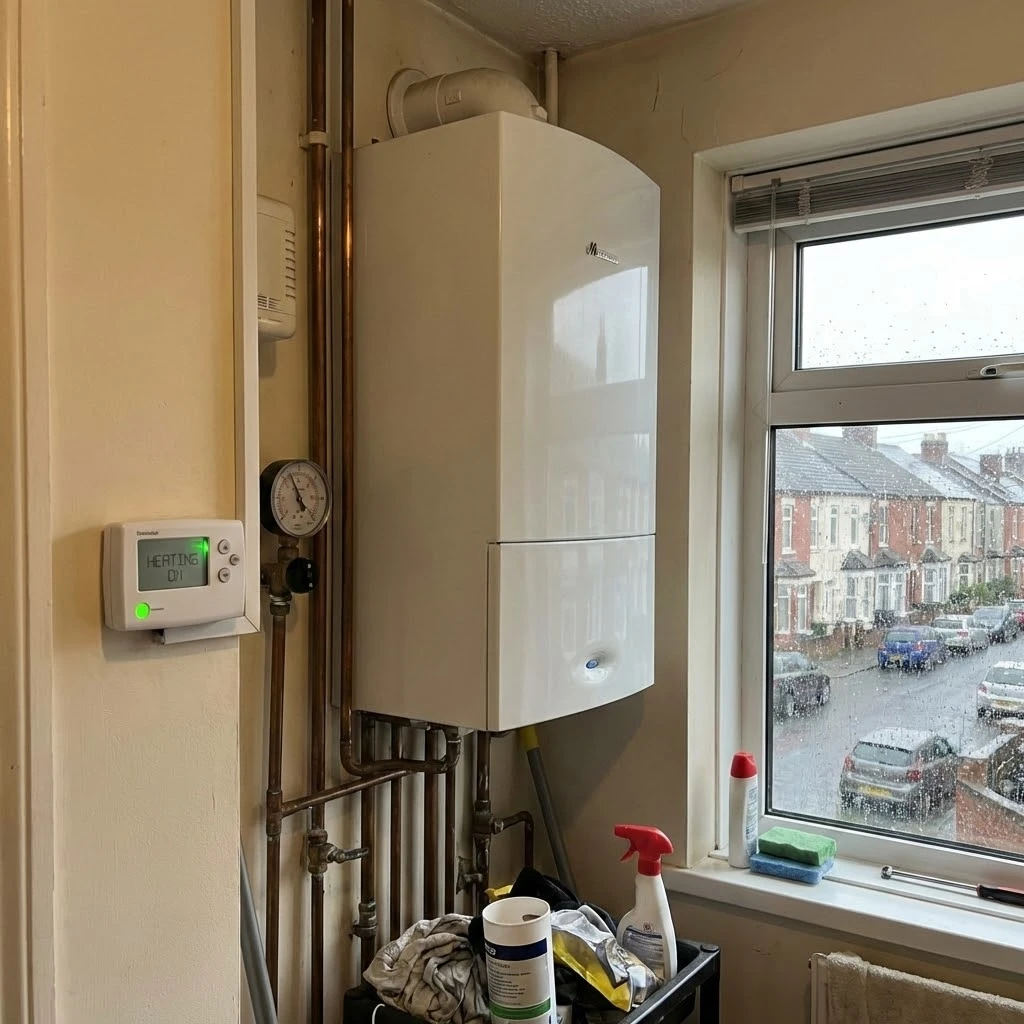
What Are The Most Common Causes of Boiler Cycling?
- The Boiler is "Oversized"
This is the number one cause in the UK. Some installers fit 30kW+ boilers "just in case," but the average 3-bedroom house only needs about 6–10kW to stay warm. If the boiler is too powerful, it heats the water in the internal loop so fast that it has to shut down immediately to prevent overheating.
- Poor Water Circulation (Sludge or Air)
If your system is full of "sludge" (iron oxide) or air locks, the water cannot move quickly enough. The boiler heats the small amount of water trapped inside its heat exchanger, reaches its limit, and cuts out.
- Low System Pressure
If your pressure gauge is below 1 bar, there isn't enough water to efficiently carry heat away from the boiler. Ensure your boiler pressure is between 1.0 and 1.5 bar when the system is cold.
- Thermostat Issues
If your thermostat is in a drafty hallway or right next to a radiator, it will send "false" signals to the boiler, telling it to turn on and off constantly as the local air temperature fluctuates wildly.
Is Boiler Cycling Dangerous?
Short cycling isn't usually an immediate safety hazard, but it is highly destructive over time.
Component Fatigue: The fan, gas valve, and spark electrode are designed for a certain number of "starts." Short cycling can age a boiler by 10 years in just 2 or 3.
Efficiency Loss: Boilers are least efficient during the first few minutes of startup. Constant restarts mean you never reach "condensing mode," where the real energy savings happen.
How Do I Fix Boiler Cycling?
Here are the actions you can take to address boiler cycling, broken down by who can perform them and what they achieve:
- Bleed Radiators (DIY): Removes air locks that block water flow and cause heat to back up at the boiler.
- Top up Pressure (DIY): Fixes low-pressure shutdowns by ensuring there is enough water to carry away heat.
- Adjust Flow Temp (DIY): Lowering the "flow temperature" to 55–60°C helps combi boilers run for longer, more efficient cycles rather than short bursts.
- Balance Radiators (Semi-DIY): Ensures heat is distributed evenly throughout the house; safe to try yourself, but requires time and a radiator key.
- Range Rating (Gas Safe Pro): An engineer can "down-fire" an oversized boiler to match your home's actual heat requirements, preventing it from over-performing and cutting out.
- System Flush (Gas Safe Pro): Clears out the internal "sludge" (iron oxide) that causes blockages and restricts circulation.
Summary Checklist for Homeowners
- Step 1: Check your pressure gauge (aim for 1.2 bar).
- Step 2: Bleed all radiators to ensure no trapped air is causing "hot spots."
- Step 3: Try lowering your boiler's "flow temperature" (the dial with a radiator icon) to 60°C. This often stops the "oversizing" cycle.
- Step 4: If the problem persists, ask a Gas Safe engineer to check the pump speed or range-rate the boiler during your next service.
How To Check Your Boiler’s Flow Temperature
To check and adjust your boiler's flow temperature, you first need to identify which type of system you have. The "safe" settings differ significantly between a Combi boiler and a System/Regular boiler.
Step 1: Identify your Boiler Type
- Combi Boiler: No hot water cylinder (usually in a kitchen or utility cupboard).
- System/Regular Boiler: Has a separate hot water cylinder (usually in an airing cupboard).
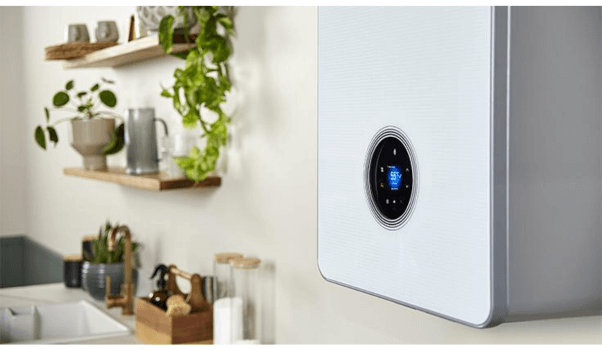
Step 2: How to Adjust (by Control Type)
Locate the control panel on the front of your boiler (sometimes behind a flap). Look for the radiator icon.
Type A: Digital Display with Buttons (+ / -)
- Press the button with the radiator icon. The screen will flash with the current temperature (likely 75 C or 80 C).
- Use the minus (-) button to drop the temperature to 60 C.
- Press OK or the radiator button again to confirm.
Type B: Dial with a Digital Screen
- Turn the dial with the radiator icon slowly.
- The digital screen will display the numbers changing in real time.
- Stop when the screen reads 60 C.
Type C: Basic Dial (No Screen)
- These dials are usually numbered 1–6 or have a "min/max" line.
- 60 C is typically around the 12 o'clock position or Number 3.
- Tip: If there is an "e" (Economy) setting, it is usually around 70 C, so turn it slightly lower than that.
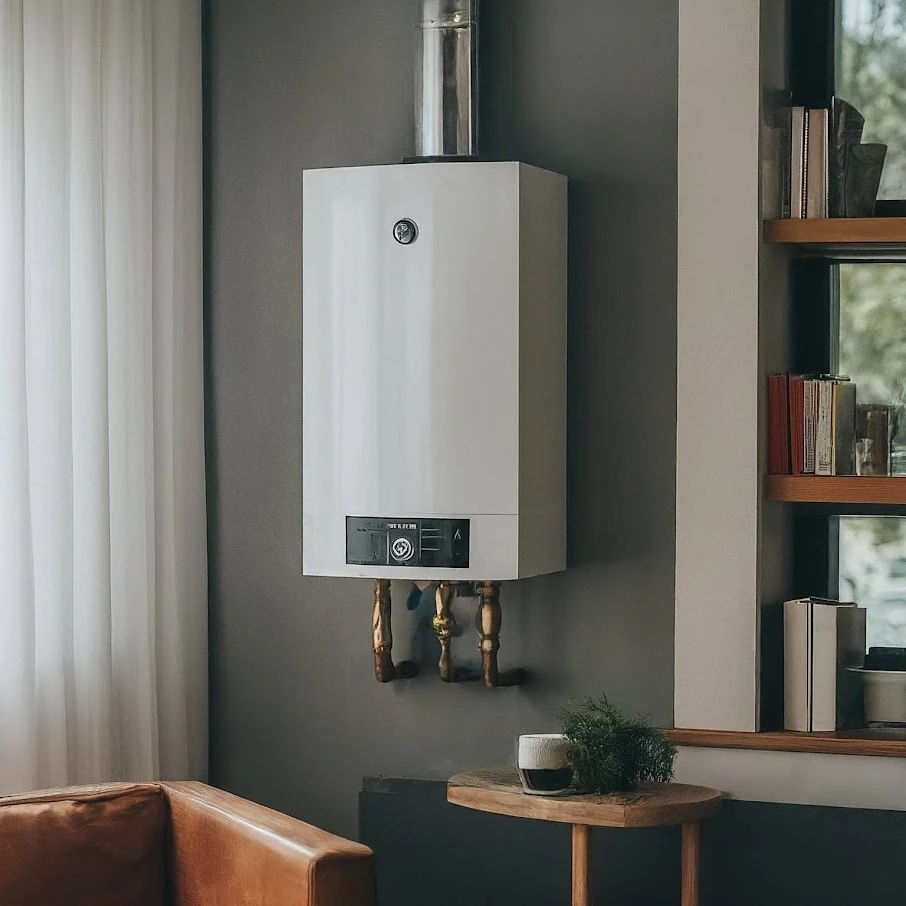
Step 3: Safety Limits
[IMPORTANT]
If you have a hot water cylinder (System/Regular boiler):
Do not set your boiler flow temperature below 65 C. This is because the water in your tank must be heated to at least 60 C to kill Legionella bacteria. Since some heat is lost during the transfer, the boiler needs to be slightly hotter 65 C to ensure the tank reaches the safe limit.
If you have a Combi boiler:
You can safely go as low as you like 50 C, as there is no stored water. However, 60 C is the "sweet spot" for most UK homes to stay warm while preventing short cycling.
What To Expect After The Change
- Radiators: They will feel "warm" rather than "scorching" to the touch. This is normal and means your boiler is staying in its efficient "condensing mode."
- Warm-Up Time: Your house might take 10–15 minutes longer to reach temperature from a cold start.
Master Your Heating Efficiency with City Plumbing
Understanding and fixing boiler short cycling is one of the most effective ways to lower your carbon footprint and reduce your household running costs. While simple tasks like bleeding radiators or adjusting your flow temperature can make a world of difference, persistent short cycling often points to deeper system issues, such as sludge buildup or an incorrectly sized boiler.
From high-quality magnetic filters to the latest energy-efficient spare parts, City Plumbing provides everything you need to keep your system running smoothly. If you’ve tried the DIY steps above and your boiler still won't settle into a healthy rhythm, it may be time to call in the experts.
Need professional help, a new boiler, or replacement parts? Why not explore our range of boiler spares, find a local Gas Safe registered engineer, or check out your local City Plumbing branch today to ensure your home stays warm and your bills stay low?