Branch Locator
Blog
Toolbox




Favourites

Account

Basket
VAT:
Ex
Inc


Switching to an Electric Boiler: Top Tips
Published: 12 Mar 2026 ・ Read time: 8 Mins
Electric boilers offer a clean, future-proof way to heat your home, but using them like a traditional gas system is a recipe for high bills. Because electricity is a premium fuel, "blasting" the heat on demand is far less efficient than a strategic, managed approach. To get the best results, you need to stop thinking about heating and start thinking about energy management.
At City Plumbing, we believe high-efficiency heating shouldn’t come at a high price. Whether you’re running a compact unit or a full-system boiler, small changes to your habits and a few smart hardware tweaks can lead to massive savings. From mastering Economy 10 scheduling to unlocking the power of smart thermostat hacks, we’ve rounded up the best ways to use electric boilers efficiently without sacrificing comfort.
1. The Golden Rule of Timing: Syncing with Off-Peak Tariffs
If you treat an electric boiler like a gas one, leaving it on all day or turning it up during the evening rush, you’re paying the highest possible price for every kilowatt.
The key to lower bills is not just how much heat is used, but also when it's used. Shifting your boiler’s main operation to off-peak hours allows access to rates that are often much cheaper than daytime prices.
- Know Your Tariff Windows
To save money, adjust your boiler’s timer or settings so it operates mainly during the cheaper hours specific to your meter type. This ensures efficient use in line with your tariff.
- Economy 7: Offers 7 hours of cheap electricity, typically between midnight and 7:00 AM. This is the classic choice for electric heating.
- Economy 10: Adds a "top-up" window. You usually get 7 hours at night, plus 3 hours in the afternoon (e.g., 1:00 PM – 4:00 PM). This is perfect for keeping the house warm during the day without paying peak rates.
- Smart & "Cosy" Tariffs: Newer 2026 tariffs (like Octopus Cosy) offer specialised "triple dip" windows specifically for electric boilers and heat pumps, giving you super-cheap rates in the early morning, afternoon, and late evening.
----------------------------------------------------------------------
- The "Thermal Store" Strategy
An electric boiler’s best friend is a well-insulated hot water cylinder or a thermal store. Instead of heating water on demand during the day, program your boiler to heat your entire tank to its maximum temperature during the nighttime off-peak window. Modern cylinders can keep that water hot for 24 hours, meaning you can shower and run radiators at midday using "night-rate" energy.
------------------------------------------------------------------------
- Avoid the "Peak Hour" Trap
In the UK, the most expensive time to use electricity is usually between 4:00 PM and 7:00 PM.
- Adjust your thermostat or boiler timer so your heating system starts running at 3:00 PM, shortly before peak rates begin, or during the Economy 10 afternoon window. This ensures your home is already warm when prices rise.
- The Result: Your home stays warm through the evening peak while your boiler remains dormant, saving you from the day's highest rates.
(Note: Off-peak times can vary depending on your region and whether it’s British Summer Time. Always check your latest bill or supplier app to confirm your exact “cheap” windows).
2. The Flow Temperature Secret: Why Lowering Your "Flow" Boosts Your Bank Balance
Most homeowners treat their boiler like a kettle; expecting it to boil water as fast and as hot as possible. But when it comes to electric heating, the "hottest" setting is often the most expensive mistake you can make.
The flow temperature is the temperature of the water your boiler sends to your radiators. While many systems are preset to a scorching 75 ℃ c or 80 ℃, lowering this figure is the fastest way to slash your running costs.
- The Efficiency Gap
An electric boiler is nearly 100% efficient at the point of use, but your system’s overall efficiency depends on how much energy is lost along the way.
- High Flow ( 75 ℃+): Your boiler works at maximum intensity to hit high heat. This creates more "boiler cycling" (turning on and off frequently), which draws massive power spikes and causes more heat loss through pipes in your floors and walls.
- Lower Flow (55 ℃-60 ℃+): The boiler runs more steadily and at a lower power draw. A smaller temperature difference between pipes and the room helps your system retain heat more effectively.
---------------------------------------------------------------------------
- Why "Lower and Slower" Wins
It might sound counterintuitive, but running your radiators at a lower temperature for a slightly longer period is often cheaper than "blasting" them for thirty minutes.
- Consistent Comfort: Lower flow temperatures provide gentle, consistent warmth. You avoid the "baked" feeling of scorching radiators and rapid chill when the boiler cuts out.
- Reduced Wear and Tear: Keeping the temperature moderate reduces stress on the internal heating elements and expansion vessel. This extends the life of your unit.
---------------------------------------------------------------------------
- Find Your Perfect Flow Temperature
You don't need to freeze to save money. Try the 5-Degree Drop:
- Locate the flow temperature dial or digital menu on your electric boiler.
- If your flow temperature is set at 75°C, adjust it to 65°C using the dial or digital setting.
- Let the boiler run for 24 hours at the new setting. If your home stays comfortable, lower the flow temperature again to 60°C. If it’s still warm enough, try 55°C the next day.
The Golden Rule: Your flow temperature is high enough as long as your home reaches your desired room temperature within a reasonable timeframe. Anything higher is just money disappearing through your vents.
At a Glance: Flow Temp vs Cost
- 75∘C+ Flow: Radiators feel scorching to the touch, resulting in the highest bills due to significant heat loss and system "cycling."
- 65∘C Flow: Radiators feel very hot, leading to moderate costs; this is the standard setup for most UK homes, but still leaves room for savings.
- 55∘C Flow: Radiators feel warm to hot, offering the lowest bills and maximum energy efficiency for your electric boiler.
3. Smart Tech Integration: Using Load Compensation to Stop Energy Waste
If your current thermostat is a simple "on/off" dial, your electric boiler is likely working much harder than it needs to. This leads to overshooting - where your room gets uncomfortably hot, the boiler cuts out, the temperature plummets, and the cycle repeats.
Right now, the smartest way to stop this waste is through Load Compensation.
What is Load Compensation?
Think of Load Compensation as cruise control for your heating. The boiler does not fire at 100% until it hits the target, then slams on the brakes. Instead, it "talks" to your thermostat to adjust its output.
- The Approach: If your room is 15°C and you want it at 20°C, the boiler starts strong.
- The Adjustment: As the room hits 19 °C, the Load Compensation tech tells the boiler to throttle back, reducing the flow temperature and power draw.
- The Result: You glide into your target temperature without wasting the extra kilowatts that usually cause a room to hit 22 °C by accident.
---------------------------------------------------------------------------
Why It’s a Game Changer for Electric Boilers
Electric boilers are incredibly responsive. However, electricity is a premium fuel. Every degree of "overshoot" is money literally disappearing into the ceiling.
- Eliminates Power Spikes: By modulating power rather than constantly rebooting at full tilt, you reduce "inrush" current and overall wear on internal elements.
- Continuous Comfort: You avoid the hot-cold-hot cycle. Your radiators stay at a steady, gentle warmth rather than fluctuating between ice-cold and scorching.
- Boiler Plus Compliance: Modern regulations (like Boiler Plus) highlight Load Compensation as a key way to make home heating more sustainable. It’s no longer a luxury; it’s a standard for an efficient home.
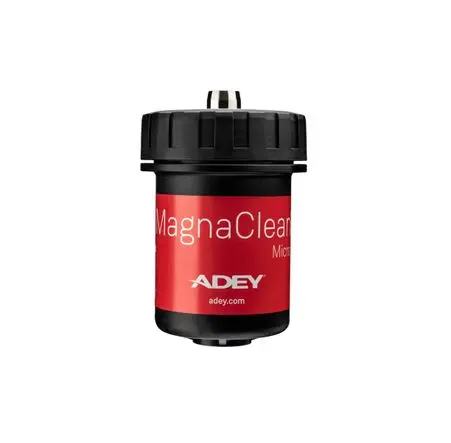
4. Future-Proofing: Why a Magnetic Filter is Your Boiler’s Best Friend
When people think of boiler sludge, they usually picture old, rattling gas boilers. However, your electric boiler is just as vulnerable to the silent killer of efficiency, magnetite, if it connects to a standard radiator system.
Magnetite is a black, muddy substance made of rusted iron particles from the inside of your radiators. Since electric boilers use high-performance heat exchangers to deliver instant warmth, keeping the water clean isn't just a good idea — it’s essential.
- The "Sludge" Tax
As magnetite builds up, it settles in the bottom of your radiators and coats the internal elements of your boiler.
- If magnetite builds up, it settles in your radiators and coats your boiler’s internal elements. As a result, your boiler must work harder and run longer to push heat through the sludge.
- The Result: Even a small amount of buildup can increase your electricity usage by up to 15%. That's a massive "tax" on your monthly bill for heat you aren't even feeling.
-------------------------------------------------------------------------
How a Magnetic Filter Works
A magnetic filter is installed on the return pipework of your heating system.
- The Capture: As water circulates, a powerful magnet inside the filter pulls metallic debris out of the flow before it ever reaches your boiler.
- The Protection: It keeps the heart of your heating system free of debris. This ensures the water stays thin and easy to pump.
---------------------------------------------------------------------------
Benefits of "Fitting and Forgetting"
Adding a magnetic filter is one of the most cost-effective "future-proofing" steps you can take:
- Lower Energy Bills: By keeping the system clean, your boiler maintains its "Day 1" efficiency for years.
- Reduced Repair Risks: Magnetite is the leading cause of pump failure and blocked heat exchangers. A filter stops these breakdowns before they start.
- Warranty Protection: Many manufacturers now recommend (or even require) a magnetic filter to keep your warranty valid.
Stop Overpaying for Heat: Master Your Electric Boiler
For many, electric heating is the future; it’s clean, quiet, and incredibly reliable, but it requires a shift in mindset to keep your running costs low. By moving away from "gas boiler habits" and embracing strategies, like those discussed above, you can transform your electric boiler from a potential financial drain into a highly efficient, precision-tuned machine.
Whether you're upgrading your current system or installing a new electric boiler, these small adjustments will ensure your home stays warm, and your bills stay manageable this year and beyond.
For further information, help, advice or to check out our incredible entire range of boilers, pay a visit to your local City Plumbing branch, or check out the super range of products on our website.
Help & Feedback
 Chat With Us
 Give Us Feedback