


Favourites

Account

Basket
VAT:
Ex
Inc


With UK heating moving rapidly toward electrification, the switch from gas is now a becoming a reality for many in the trade. Yet, the key challenge is; how do you deliver the familiar flow rates and reliability customers expect without a gas line?
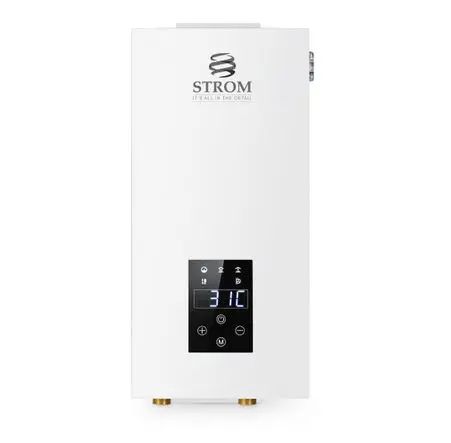
Although many homeowners ask for electric combis, experienced engineers recognise that this isn't always the best option. To truly stand out in this trade, knowing when to recommend a system setup is key. This guide cuts through sales talk to explain why the Strom System Boiler range is the installer’s reliable workhorse.
Here, City Plumbing considers how Strom system boilers often outperform combis in most family homes. We also consider key installation practices, to help you avoid those costly callbacks.
Why System over Combi?
Though a somewhat controversial topic, many single-phase electric combi boilers often struggle to meet modern household expectations. While the "all-in-one" appeal is strong, instantaneously heating water with electricity requires a lot of power. On a standard UK single-phase supply, this usually means a hot water flow rate capped at around 7–8 litres per minute: barely enough for a decent shower, let alone filling a bathtub in under twenty minutes.
While electric combi boilers are a fantastic, space-saving solution for studio flats or single-occupancy apartments, the Strom System Boiler is the real "workhorse" for the average family home.
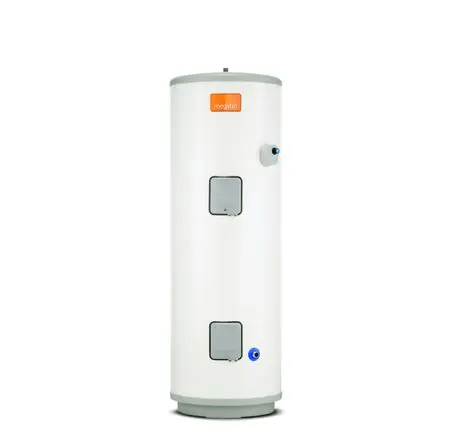
By moving away from the "instant" model and pairing a Strom system unit with an unvented cylinder (such as a Megaflo), you give your clients the best of both worlds. This configuration permits installers to deliver a high-pressure, multi-outlet hot-water experience. Your customers can run a powerful shower in the ensuite while someone else washes up in the kitchen, and all without the dreaded temperature drop or "trickle" flow associated with over-stretched combis.
For a professional installer, recommending a system boiler isn't just about the heat; it's about delivering the performance a modern family actually expects.
Technical Specifications & Power Options
Choosing the right kW output is the most critical stage of any heating engineer's guide to electric boilers. Unlike gas, where you often have power to spare, electric heating requires an accurate balance between the heating load of the radiators and the property’s total electrical capacity.
Here's a quick breakdown of the Strom range to help you specify the right unit for your project's electrical capacity:
- 7kW Model:
Best for: Small flats or properties with 4–6 radiators.
Electrical: Requires a 40A breaker (Max current ~30.4A).
- 11kW Model:
Best for: Small houses or larger apartments with 7–9 radiators.
Electrical: Requires a 63A breaker (Max current ~47.8A).
- 14.4kW Model:
Best for: Medium-sized family homes with 10–12 radiators.
Electrical: Requires an 80A breaker (Max current ~62.6A).
- 18kW to 24kW Models:
Best for: Large properties or light commercial use.
Electrical: Three-Phase supply only (Load is distributed across three phases).
Compatibility: The "Open Protocol" Advantage
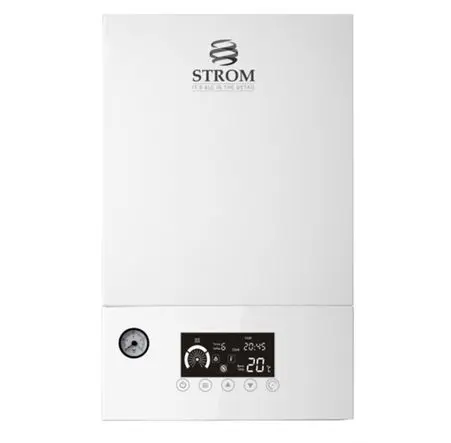
There's nothing more frustrating for a trade professional than "closed" systems — proprietary technology that forces you to use specific brands or expensive, specialised parts. Strom has designed their system boilers with an "Open Protocol" mindset, assuring they fit easily into the workflows you already use.
- Cylinder Neutrality: One of the biggest selling points for the trade is the compatibility of unvented cylinders. Strom system boilers are designed to work with almost any indirect, unvented, or vented cylinder on the market. Whether your client already has a Megaflo, a Gledhill, or an unbranded unit, you can integrate a Strom boiler without ripping out perfectly good existing infrastructure.
- Control Systems: Strom boilers aren't picky about how they're told to turn on and integrate perfectly with standard S-Plan or Y-Plan wiring configurations. This means you don't have to relearn how to wire a system; your existing knowledge carries right over. Because the range uses standard 230V switching logic, you aren't fighting with proprietary digital bus codes or expensive manufacturer-specific wiring hubs.
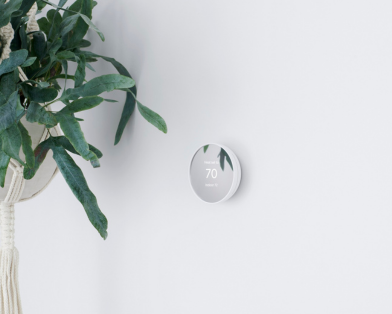
- The Smart Home Upsell: Because they use standard 230V switching, these boilers work flawlessly with popular smart thermostats like Nest, Hive, or Tado. This makes for an easy upsell, offering the client modern, app-based control over their heating while keeping the installation straightforward for you.
Installation Deep-Dive: The Internal Components
To understand why these units are reliable, you have to look at what’s inside. Strom has prioritised high-quality, recognisable components that make maintenance and installation easier.
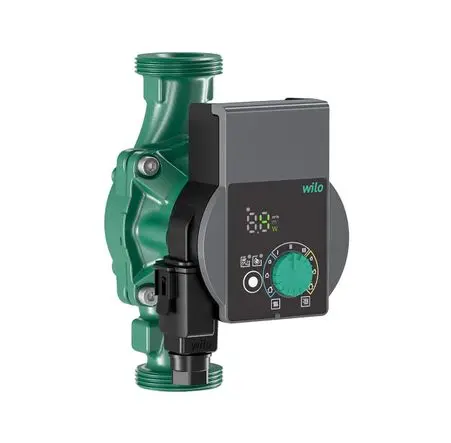
- The Pump: Every unit features an integrated, high-efficiency Wilo circulator (or equivalent). It's whisper-quiet, ERP-compliant, and, most importantly, a brand that every heating engineer knows and trusts for longevity.
- Expansion Considerations: While these are "system" boilers and include an internal expansion vessel, always perform your water volume calculations. For larger radiator circuits, you should still assess whether an additional external expansion vessel is required to safely handle the system's thermal expansion.
- The Serpentine Heat Exchanger: This is where Strom really stands out. Unlike immersion-style elements found in cheaper electric boilers, which can "cook" the water and rapidly attract limescale, the serpentine design distributes heat more evenly across a larger surface area.
- Trade Benefit: This design considerably lowers the risk of "hot spots," improves heat transfer, and ultimately extends the boiler's lifespan. It’s a great technical point to mention when justifying the investment. Because the water is kept separate from the heating strands in the serpentine unit, the risk of element corrosion is significantly reduced, leading to a much lower 0.4% defect rate compared to industry averages.

Avoiding Common Pitfalls - "Save Yourself a Call-Back"
Nothing kills your profit margin like a return visit. To ensure a Strom system boiler runs flawlessly from day one, stick to these golden rules of installation:
- Magnetic Filters are Non-Negotiable: To protect the internal Wilo pump and the serpentine heat exchanger, you must install a high-quality magnetic dirt separator on the return pipework. Limescale and magnetite are the primary causes of premature failure, so don't give them a chance to settle.
- The 22mm Rule: Never attempt to run the primary flow and return in 15mm. To move heat away from the exchanger efficiently, you need a volume of 22mm of copper. Restricted flow leads to "kettling" noises and short-cycling, which shorten the boiler's lifespan.
- The Automatic Bypass Valve (ABV): If you're using TRVs on every radiator, an ABV is mandatory. This maintains a minimum flow rate through the boiler as the zones start closing down, preventing the unit from locking out due to a high-temperature fault.
- Bonus Tip: Fit an Auto Air Vent (AAV). High-point air pockets can cause dry-firing in the heat exchanger. Always fit an AAV at the highest point of the boiler flow to ensure the system stays air-free.
When to Recommend A Strom Boiler
The Strom system boiler isn't just a backup option; it is a high-performance solution for specific scenarios where gas isn't viable or desired.
- High-End Off-Gas Properties: For homes with multiple bathrooms, where owners expect high-pressure showers that a combi simply cannot deliver.
- Simple Retrofits: When a client’s old gas "heat-only" boiler fails, and they want to go electric without the upheaval of removing their existing hot water cylinder.
- Green Energy Projects: Modern new-builds with high levels of insulation and solar PV arrays. A Strom system boiler is the perfect partner for solar, allowing homeowners to use their own generated electricity to heat their water and home.
- Smart Tariffs: When paired with smart 'Time of Use' tariffs (like Octopus Agile or Go), these boilers allow clients to 'load shift', heating their thermal store (the cylinder) when electricity is at its cheapest or even free during periods of high renewable generation.
Frequently Asked Questions: The Installer’s Quick-View
Does the Strom system boiler require an annual gas safety check?
No. Because there is no combustion, no flue, and no risk of Carbon Monoxide, annual safety certificates are not required by law. However, a bi-annual service is recommended to check electrical connections and system pressure.
Can I install a Strom boiler in a bathroom?
Yes, provided you adhere to IET Wiring Regulations (BS 7671) regarding zones. Because they require no flue, they are popular for airing cupboards or internal storage rooms where installing a gas boiler would be impossible.
What is the standard warranty for the trade?
Strom boilers purchased after May 2022 come with a 5-year warranty as standard, or a 10-year warranty on specific "10-year" product codes. Important: You must register the unit online within 45 days and ensure the benchmark commissioning checklist is completed, as this is often required for future warranty claims.
Do I need to use a specific brand of magnetic filter?
No, but a filter is mandatory to protect the internal Wilo pump. Using a reputable brand like Adey or Fernox will ensure the warranty remains valid and the heat exchanger stays clear of sludge.
Is the boiler compatible with underfloor heating (UFH)?
Absolutely. Strom boilers are excellent for wet UFH systems. Just ensure you have a secondary pump/blending valve on your UFH manifold as you would with a gas system.
Strom Boilers: A Future-Proof Choice for the Trade
As the UK continues its shift toward electrified heating, Strom boilers stand out as a pragmatic, high-performance solution for the professional installer. By moving away from the limitations of electric combis and utilising the power of a system setup, you aren't just fitting a boiler, you’re delivering a modern heating system that actually meets the hot water demands of a busy family home.
With its open-protocol wiring, serpentine heat exchanger, and cylinder neutrality, the Strom range allows you to use your existing skills to deliver a premium, gas-free retrofit or new-build installation with total confidence.
Don't get caught out by stock delays or missing components. From the boilers themselves to the mandatory magnetic filters and copper, here at City Plumbing, we have everything you need to get the job done right the first time.
Browse the full Strom Range online or at your local City Plumbing branch and discuss your project’s electrical requirements with our experts.
Help & Feedback
 Chat With Us
 Give Us Feedback