



Favourites

Account

Basket
VAT:
Ex
Inc


 45 years of trusted expertise
Update: The UK government has officially announced that plug-in solar panels will be legal starting August 27, 2026.
Until recently, solar energy in the UK was limited to homeowners with large roofs and extra capital. Those in flats or rented terraces had few options to join the green energy transition.
March 2026, however, signalled a much-needed change. Energy Secretary Ed Miliband officially announced the legalisation and standardisation of plug-in solar kits, introducing strict new safety frameworks to bring the UK in line with Europe.
At City Plumbing, we’re committed to making this new technology accessible, safe, and efficient for everyone. As renewable energy experts, whether you're looking for plug-in solar panels or specifically balcony solar panels in the UK, we take a quick look at the 2026 landscape for you.
What Is Plug-In Solar PV?
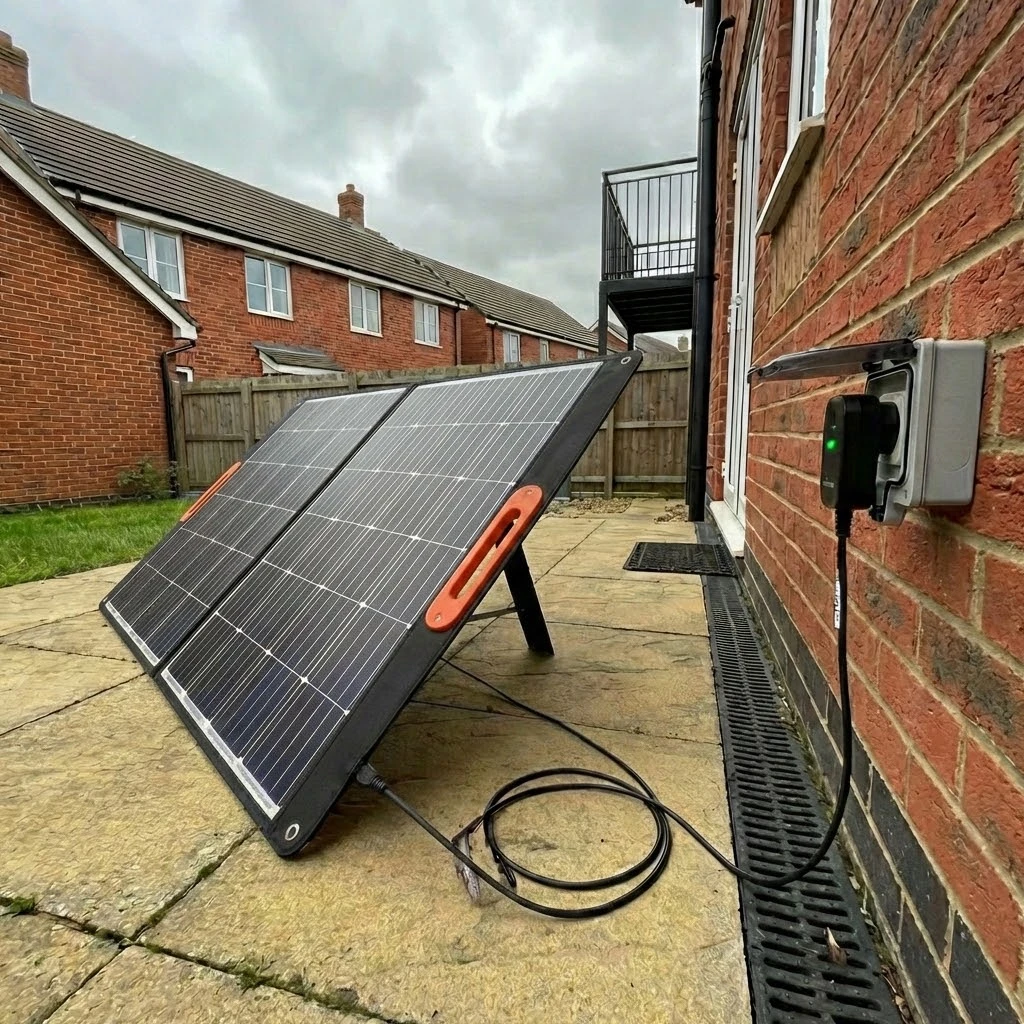
Plug-in solar is exactly what it sounds like: a simplified, miniature version of a rooftop array. A standard kit typically consists of one or two high-efficiency panels, a compact micro-inverter, and a standard UK 3-pin plug.
How It Works
The process is brilliantly simple:
- Sunlight hits the panels.
- The panels generate DC electricity.
- The Micro-inverter, a device that changes direct current (DC) from the panels into alternating current (AC), converts the electricity to the type your home uses.
- The power flows through a standard socket into your home circuit.
The "Plug-and-Play" appeal is massive: no scaffolding, drilling, or costly installation. These UK solar kits are designed for everyday consumers as portable home panels.
Is It Legal? The 2026 Regulations Explained
The question of "Are plug-in solar panels legal in the UK in 2026?" finally has a clear answer: Yes, provided they meet the new safety standards.
The UK has transitioned from a 'DIY ban' to the new BS 7671 Amendment 4; a set of electrical wiring regulations that set safety requirements for domestic electrical installations, including plug-in solar kits for use in home circuits.
The 800W Limit
To prevent overheating your home's existing wiring, the 2026 regulations cap these systems at 800W. This is the safety "sweet spot" that allows you to generate significant power without risking a circuit overload.
G98 Notification
While you don't need to pay out for an electrician to plug the system in, you (or your kit provider) are still required to 'Connect and Notify' your District Network Operator (DNO—the local company managing your electricity grid) under G98 regulations. G98 is a UK requirement that ensures small energy generators, like plug-in solar kits, are safely connected to the grid. The beauty of this 'no-stress' DIY approach is that you typically have up to 28 days after plugging it in to submit this notification. This ensures the grid stays balanced as more people adopt DIY solar.
Who Is It For? (Targeting the "Missing Middle")
This technology is a game-changer for the "Missing Middle", that is, those who couldn't install traditional solar.
- Flat Owners & Renters: Solar panels for flats are now possible. Balcony-mounted systems let renters generate power for the first time.
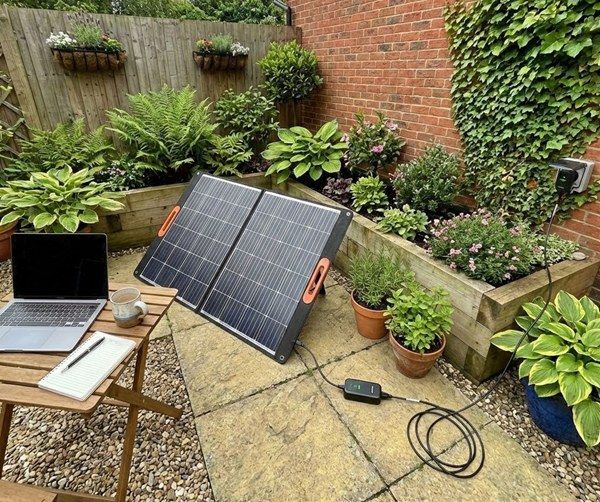
- Small Garden Owners: These are perfect for "solar sheds" or ground-mounted arrays in small gardens.
- The "Move-with-You" Benefit: Unlike rooftop solar, these kits are not permanent. If you move, simply unplug them and take your investment with you, making them the ultimate low-cost solar for apartments.
How Much Money Can You Actually Save?
While a plug-in kit won't take you completely off-grid, the solar panel ROI in 2026 is impressive. A high-quality 800W kit currently retails between £600 and £1,000. When you consider that a typical kit can save you between £100 and £250 per year, you’re looking at a realistic payback period of just 4–6 years.
The secret is the Base Load Strategy. These panels are perfect for covering "always-on" appliances like your fridge, Wi-Fi router, and devices on standby. By wiping out your base load during daylight hours, you effectively "stop the meter" on your most consistent energy costs.
Safety & Buying Advice
Not all kits are created equal. When looking to buy plug-in solar panel kit solutions, keep these three things in mind:
- Certification: Only buy kits with a clear CE (Conformité Européenne) or UKCA (UK Conformity Assessed) marking, which show compliance with safety standards.
- Anti-Islanding Protection: This is vital. Think of it as the electrical equivalent of a 'check valve' in plumbing. It prevents power from flowing back out of the plug when it's disconnected. Anti-islanding technology ensures that if you pull the plug, the pins don't stay 'live,' preventing electric shocks.
- The 2026 Standard: Ensure the kit is marketed as compliant with the latest UK safety amendments.
While some online retailers are leading the rollout of the best plug-in solar kits in 2026, buying through a specialist like City Plumbing ensures you have the technical support and trade-quality hardware needed for a long-term investment.
Is Plug-In Solar Right For You?
Plug-in solar isn't a total replacement for a full-scale rooftop installation, but it is the most significant "entry-level" green energy hack of the decade. Considered by many to be the solar revolution for renters, it can empower renters, save money, and reduce their carbon footprint with zero construction stress.
Check out our superb range of Plug-In Solar PV products, which are due to sell out fast after the 27th August online or visit your local City Plumbing branch for further details on how you can make the switch to renewable energy today.
Help & Feedback
 Chat With Us
 Give Us Feedback