



Favourites

Account

Basket
VAT:
Ex
Inc


The Renewables team at City Plumbing breaks down the setup costs, expected energy production, and payback times for plug-in solar kits.
Rooftop solar is the gold standard for clean domestic generation, but the path to energy independence has always required significant investment. With the cost of scaffolding, structural engineers, and hardwired electrical labour, a traditional system can easily cross the £5,000 threshold before generating its first kilowatt.
However, the new plug-and-play generation, under the latest UK safety rules, has upended that barrier. For the 57% of UK residents without roof control, such as flat-dwellers, terraced homeowners, and renters, solar energy via plug-in is now becoming much more accessible.
But the big question is: Is it actually worth your money?
Let’s be realistic. If you expect a plug-in solar PV kit to take your home fully off-grid so you never pay an energy bill again, you’ll be disappointed. But if you see it as a clever, low-risk way to beat inflation, then this option could just be for you. For less than the cost of a new washing machine or television, you can shield your household from fluctuating UK energy prices, which the Energy Saving Trust warns remain heavily exposed to volatile international markets.
So, if you're interested in working to cut down on your electricity costs, here’s a straightforward assessment of the price tag and the returns these systems offer.
The Upfront Capital: What Does a Plug-In Kit Cost?
Since you incur no installation costs for plug-in solar PV units, you spend all your money only on tangible components. By purchasing all the necessary elements from a trusted trade supplier like City Plumbing, rather than buying premium-branded retail bundles, the start-up cost is surprisingly low. For a typical plug-in setup that's compliant with UK regulations, you’ll need a localised micro-inverter, a highly efficient N-Type TOPCon solar panel, and an MC4 Connector.
- The Microinverter
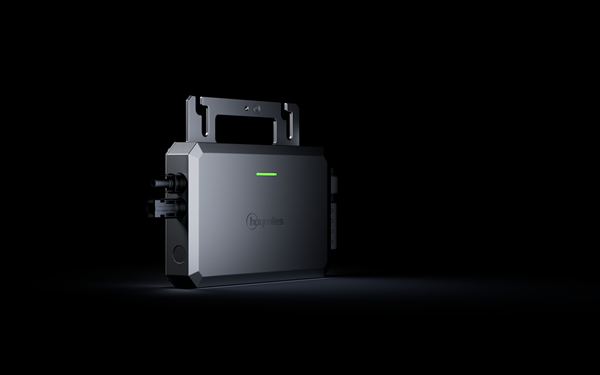
City Plumbing's most popular microinverter, for example, is the dual-input Hoymiles HiFlow 800W Micro-Inverter. At just over £100, this is the ideal plug-in solution for urban homes because:
- The main benefit is saving on installation, as you do not need electricians or professionals; simply plug the unit into an outdoor socket and start reducing bills immediately.
- You gain high efficiency even in tight urban spaces, since this microinverter optimises electricity output in small, shaded areas like balconies and compact flat roofs.
- You can monitor your electricity generation and savings from your phone, thanks to the included Wi-Fi and Bluetooth, eliminating the need for a separate monitoring expense.
- The system feeds power directly into your home circuits in real-time, meaning it's designed to offset your immediate daytime energy usage without the need for expensive battery storage systems.
- The Solar Panel
- Panels maintain power output even in urban shade due to built-in optimisers, helping your system stay productive when traditional panels would stop working.
- With industry-leading efficiency, these panels generate high power from small areas, making them ideal for balconies or patios with limited space.
- Advanced designs ensure panels generate power from early morning and on overcast days, not just under strong sunlight.
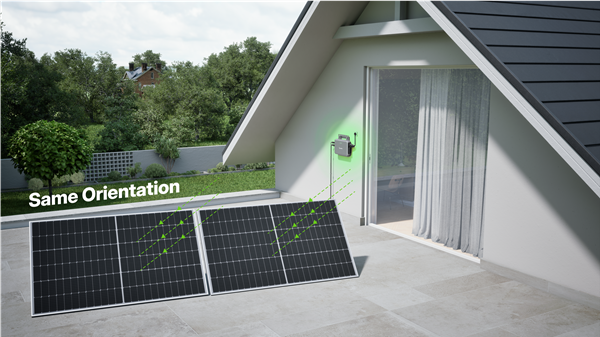
- Panels are more durable, ideal for renters or users who may move or adjust their setup, reducing the risk of damage.
- These panels stay cool, so efficiency and power output do not suffer even in hot summer seasons.
- The warranty period ensures that you'll get decades of efficient energy production from these panels.
- The MC4 Connector
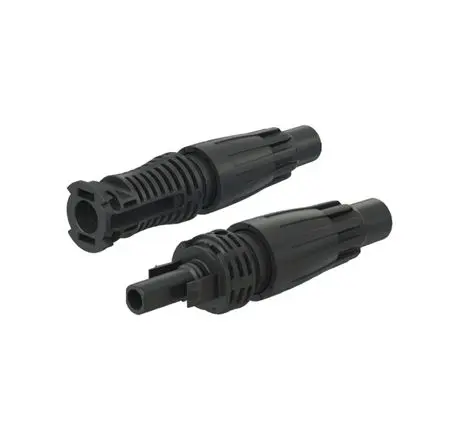
This heavy-duty connector links your solar panels directly to the microinverter outside. MC4 connectors are sold by City Plumbing for just a couple of pounds. You can buy your connectors individually or as pre-assembled leads.
These connectors let you complete your affordable setup with several advantages:
- MC4 connectors are built to withstand harsh British weather and are rated IP67 or IP68. Internal rubber seals block rain, snow, and dust, keeping the DC electricity from your panels safe and dry.
- MC4 connectors make it easy to pair any major component. You can connect Hoymiles microinverters with LONGi, DMEGC, or JA Solar panels right away, with no need for adapters or complex rewiring.
- Solar panels generate power as soon as sunlight hits. MC4 connectors lock with a tool, preventing unwanted separation caused by wind, pets, or children. This makes them very safe for homes and balconies.
- In an 800W system, every watt matters. Each connector uses corrosion-resistant pins for strong conductivity. This prevents energy loss before it reaches your home.
- These plugs just click together, so no need to strip wires or use trade tools. If you’re a renter, you can disconnect and take your setup to another property. You can also pack your kit away for winter in seconds.
- The Mounting Rail and Bracket
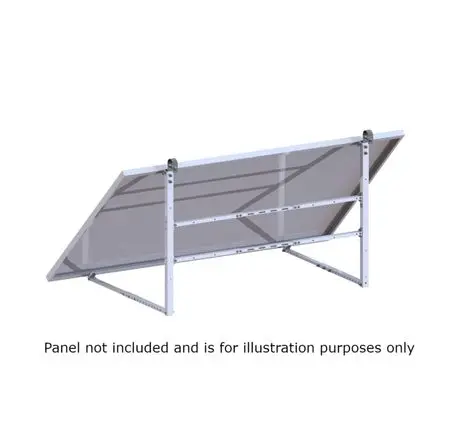
The proper mounting rails must be chosen to hold your panels. DIY kits use plug-in brackets; and at City Plumbing, you'll find strong brackets for easy mounting. Typically, you can expect to pay around £60:
- Railing brackets and wall brackets will work fine for renters, flats and terraces with limited external height. They consist of marine-grade steel or aluminium brackets which fasten to the railing or fence without drilling. When installing panels against brick walls, expansion bolts may be used.
- Ground and flat-roof A-frame consoles are best on a patio, terrace, garage, or patch of lawn. The panels sit on triangular frames, angled to catch the most sunlight in the UK. The frames do not bolt down. Instead, you fill trays or tubs with items such as paving slabs or sandbags to keep the panels secure against strong winds.
Costs vs Returns: How Fast Does a Plug-In Kit Pay for Itself?
Considering actual conditions in the UK, a solar panel facing south and angled at 30° on a house roof will generate differently than one installed flat on a garage or mounted on a balcony railing. However, by using real average daylight hours in the UK and incorporating the official Ofgem Energy Price Cap electricity rate of 26.11p per kWh, we can calculate highly realistic payback periods for these two typical DIY systems:
1. The Single Panel System (475-watt)
- Annual Output: This system generates roughly 350 to 420 kilowatt-hours (kWh) of electricity annually, even factoring in typical grey British weather.
- Financial Benefit: By covering your home's "always-on" background appliances (like fridges and broadband routers), you can cut your annual electricity bill by up to £90 to £110, assuming high utilisation of the generated power.
- Payback Period: With hardware costs sitting around £260, this straightforward system breaks even in 2.5 to 3 years.
2. The Dual Panel Setup (Up to 800W Output)
- Yearly Output: Produces 600 to 720 kWh annually. While the panels themselves can absorb more sunlight, they're paired with an 800W microinverter, ensuring the system stays perfectly within the UK's legal maximum limit for DIY plug-and-play generation.
- Money Saved: Saves approximately £160 to £185+ annually by drastically reducing the amount of grid electricity your home needs to buy during the day.
- The Break-even Period: By sourcing components at competitive prices with City Plumbing and avoiding heavy installer fees, a dual-panel setup typically pays for itself in 3 to 4 years.
The Long-Term Asset Value
To put this into perspective, traditional, large-scale rooftop solar installations generally take between 7 and 11 years to reach a neutral payback point due to high upfront labour, scaffolding, and structural engineering costs.
A DIY plug-in kit clears its financial baseline in a mere fraction of that time. Given that premium, tier-one PV panels carry an operational lifespan and performance warranty of 25 to 30 years, your hardware will comfortably yield more than two decades of entirely free, self-generated electricity.
How Plug-In Solar Cuts Bills: The "Baseload" Secret
Because plug-and-play kits are DIY, they lack the "MCS certification" required to qualify for the UK’s Smart Export Guarantee (SEG) tariffs. This means that any excess solar electricity you don't use right away really is sent back to the grid for free. Therefore, matching your solar production to your home's energy consumption habits is key to achieving the shortest payback period with your plug-and-play package.
Unlike large-scale, professional installations that often feature bulky battery banks, these compact plug-and-play kits do not include battery storage, so any electricity your panels produce must be used instantly. To ensure you capture and use 100% of your free solar power, you shouldn't size your system to run heavy appliances like ovens or power-hungry air fryers. Instead, the goal is to neutralise your property's "Phantom Load," which is the silent, constant background electricity your home gulps down even when you're fast asleep or out at work.
- Phase 1: Find Your Background Baseline. Take a look at your in-home smart meter display during a quiet period when no one is cooking or doing the laundry. You'll likely see that your home draws a steady baseline of 150W to 300W non-stop. This is the electricity required just to keep your broadband router, fridge-freezers, home security tech, and appliances on standby ticking over.
- Phase 2: Balance the Continuous Draw. Your plug-and-play solar system delivers energy straight to this continuous circuit inside your home. On a sunny morning, two panels can produce between 200W and 400W of local energy. Since this corresponds with your background level, it’s as if you've paused your normal utility meter.
- Phase 3: Tweak Your Midday Habits. To squeeze every bit of value out of any extra daytime solar power, simply shift a few of your flexible household chores. Programming your washing machine, dishwasher, or dehumidifier to run sequentially during peak midday sun hours means you can run them for free using your own locally produced sunshine.
Looking Ahead: The UK Regulatory Landscape Regarding Plug-In Solar
Before proceeding with your plug-ins solar investment, you'll need to consider current UK mandatory laws around this topic:
- Legal Status: On 16 March 2026, the UK government revealed its intention to remove the old restrictions that prevented the usage of plug-in solar panels in order to enhance energy safety at home. The regulatory framework began to take shape with the publication of the IET Wiring Regulations BS 7671 Amendment 4 by the British Standards Institution (BSI). The important innovation was the official recognition of the sub-800W micro-generator system within the UK safety legislation. Nonetheless, further development of the product regulations and simplified procedure of connecting to the system is currently underway.
- What is Restricted Right Now: It's critical to note that you cannot simply build hand-crafted cable connections to link solar panels directly to a standard domestic three-pin socket today. Doing so violates current electrical safety rules due to fire and back-feed risks. Furthermore, under the current Energy Networks Association G98 grid connection rules, connecting any DIY solar setup to the mains network without a formal post-installation notification to your local Distribution Network Operator (DNO) remains a legal requirement. True 'plug-and-play' freedom without paperwork isn't a reality just yet. While City Plumbing's microinverters are fully G98 certified and compliant, current regulations still require a formal post-installation notification to your local DNO.
-------------------------------------------------------------------------------------------------------
Prepare Your New Plug-In Solar PV System with City Plumbing
The landscape is moving rapidly towards making clean energy accessible to everyone. At City Plumbing, we have every part of the future solution ready for you to build a safe, compliant system as soon as the final summer guidelines drop.
We currently stock the core high-quality components that make plug-in solar work, allowing you to prepare your hardware footprint ahead of the regulatory updates:
- High-Efficiency Solar Panels
- Advanced Microinverters
- MC4 Connectors
- Heavy-Duty Mounting Rails and Brackets
While we don't supply uncertified mains-connection cables that do not comply with current safety standards, our team is ready to help you stay ahead of the curve legally and safely.
Use the online City Plumbing Solar PV Kit Builder to configure your hardware footprint, or visit your local City Plumbing branch to speak directly with our specialised trade counter team and get your renewable energy journey started.
Help & Feedback
 Chat With Us
 Give Us Feedback