



Favourites

Account

Basket
VAT:
Ex
Inc


 45 years of trusted expertise
Is your home heating unevenly? Cold spots at the top of your radiators indicate trapped air, reducing efficiency and increasing energy bills. Bleeding your radiators is a simple DIY task that restores optimal performance. This guide provides a step-by-step approach to bleeding your radiators, identifies key warning signs, and offers essential maintenance tips to keep your heating system running smoothly, saving you money and ensuring a warm, comfortable home.
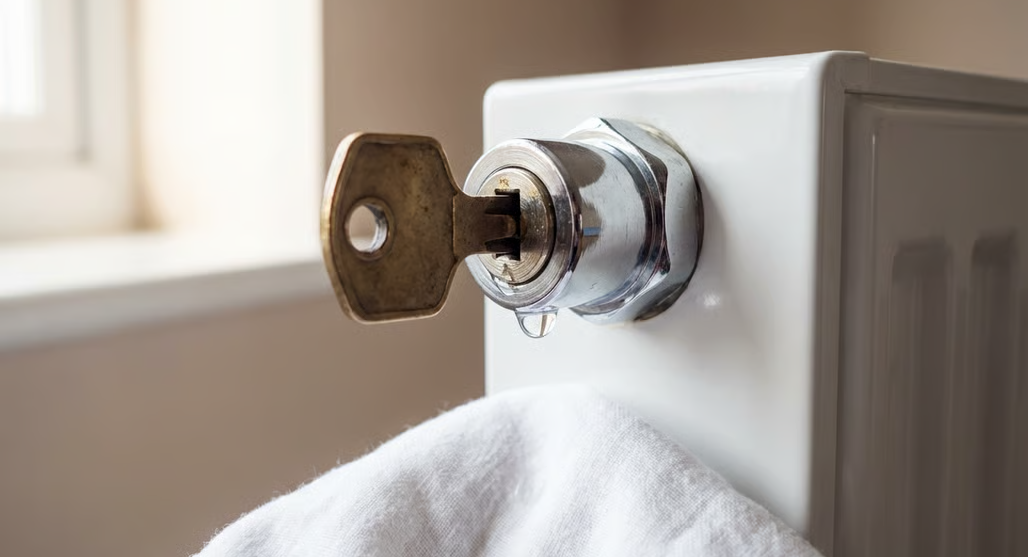
What Does Bleeding a Radiator Do?
Bleeding a radiator removes trapped air from your central heating system. When air becomes trapped inside radiators, it creates pockets that prevent hot water from circulating properly throughout the entire unit. This trapped air cannot be heated as efficiently as water, which explains why you'll often notice the top portion of your radiator feeling cold whilst the bottom remains warm.
By removing these air pockets, you restore the full heating capacity of your radiators, allowing hot water to flow freely and heat the entire surface area. This improvement in circulation means your rooms warm up more quickly and maintain a consistent temperature, whilst your boiler doesn't have to work as hard to achieve the desired warmth. The result is a more efficient heating system that can reduce your energy consumption and lower heating bills.
Bleeding specifically targets trapped air and involves releasing only small amounts of water along with the air. It's not the same as flushing your system, which is a more comprehensive process that removes sludge, rust, and debris from the entire heating circuit.
When To Bleed Radiators - Signs Your System Needs Attention
Recognising when to bleed radiators can save you from enduring unnecessarily cold rooms and wasting energy. The most obvious indicator is the presence of cold spots, particularly at the top of the radiator. When you place your hand on a radiator that's been running for a while, it should feel uniformly warm from top to bottom. If the upper section remains cool whilst the lower portion is hot, trapped air is almost certainly the culprit.
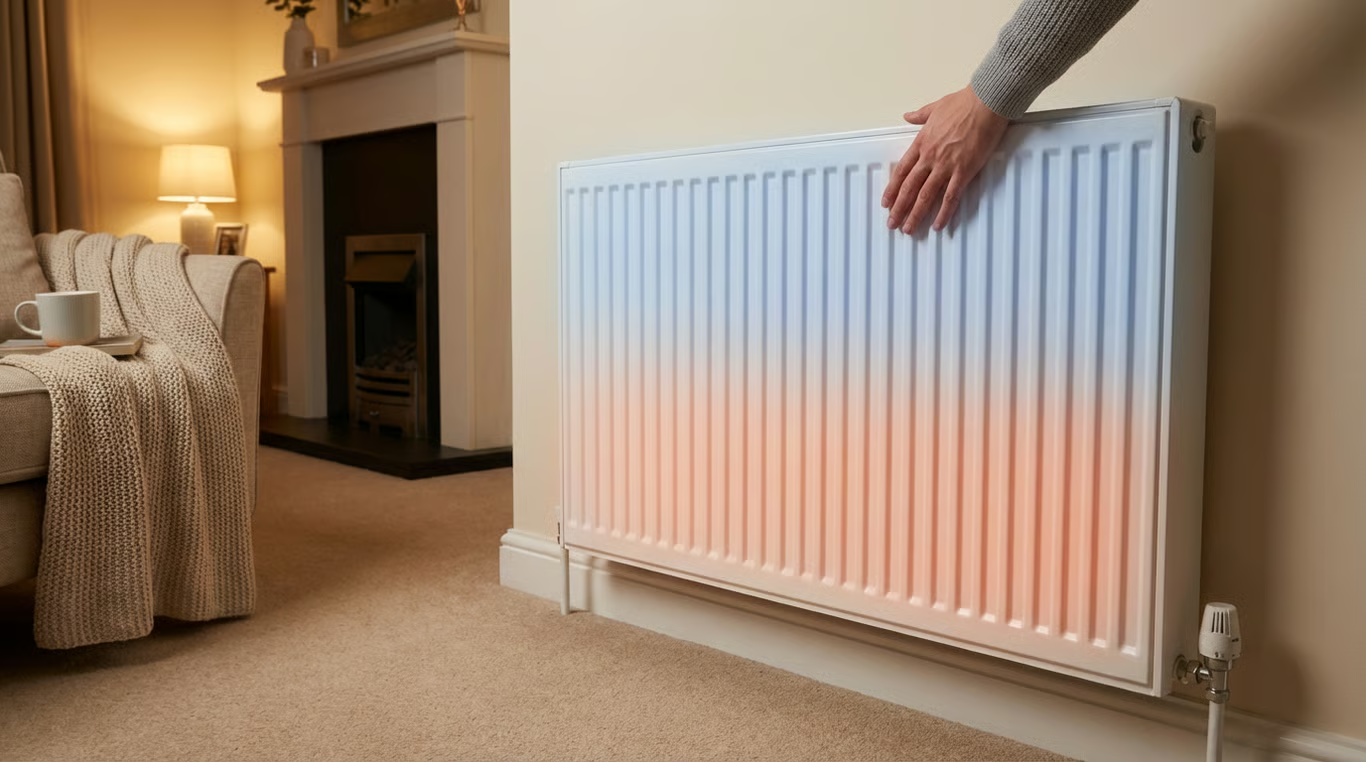
Another telltale sign is unusual noise coming from your heating system. Gurgling, banging, or trickling sounds when the heating switches on often indicate air moving through the pipes and radiators. These noises occur as water tries to flow past air pockets, creating turbulence within the system.
You might also notice that your radiators take considerably longer to heat up than they used to, or that some rooms never quite reach a comfortable temperature despite the thermostat being set correctly. If your heating bills have crept up without any obvious explanation, trapped air forcing your boiler to work harder could be the underlying cause. When you observe any of these symptoms, it's time to check whether your radiators need bleeding. A quick test involves feeling each radiator when the heating is on - any significant temperature difference between the top and bottom sections confirms the need for action. Now that you know when to bleed your radiators, let's look at how to prepare.
Do You Bleed Radiators Hot or Cold - Essential Preparation Steps
Safety must be your primary concern when preparing to bleed radiators. The heating system should always be switched off and the radiators allowed to cool completely before you begin. When the heating is running, the water inside radiators reaches temperatures that can cause serious scalding injuries. Even a small amount of hot water escaping from the bleed valve can burn your skin.
Turn off your central heating at the thermostat or programmer and wait at least an hour for the system to cool down. The radiators should feel only slightly warm or completely cool to the touch before you proceed. This waiting period might seem inconvenient, but it's essential for your safety and makes the entire process much more manageable.
Once the system has cooled, gather your tools and materials before starting. Having everything to hand means you won't need to leave a partially opened valve unattended whilst you search for a cloth or container. This preparation stage also allows you to inspect your radiators for any visible signs of leaks or corrosion that might need professional attention. With safety covered, let's gather the necessary tools.
Bleeding radiators: What Tools do You Need
- Radiator bleed key (or a flat-head screwdriver for modern valves).
- A rag, old towel, or small container.
- A pressure gauge check (on the boiler).
How to Bleed a Radiator - Step-By-Step Instructions
1. Identify cold spots: heating on.
Turn your central heating on high and wait for the radiators to warm up. Carefully feel the surfaces. If a radiator is cold at the top but warm at the bottom, air is trapped inside and it needs bleeding.
2. Cool the system down: Heating OFF - 30-60 mins.
Turn your central heating completely off. Never bleed a radiator while the heating is on or circulating. The pump can introduce more air, and you risk being scalded by boiling water or steam.
3. Open the bleed valve: Quarter to half turn.
Locate the small bleed valve at the top corner of the radiator. Insert your radiator key (or screwdriver). Hold your cloth underneath the valve, and slowly turn the key anti-clockwise (a quarter to half turn) until you hear a hissing sound.
4. Close the valve on water trickle: Clockwise lock.
As soon as the hissing stops and water begins to steadily trickle out, turn the key clockwise to close the valve tightly. Do not over-tighten, or you may damage the valve thread.
5. Check and re-pressurise the boiler: Final Check.
Bleeding releases pressure from your system. Check your boiler’s pressure gauge. If it has dropped below 1.0 bar (typically it should sit between 1.0 and 1.5 bar), use your boiler’s filling loop to top it up.
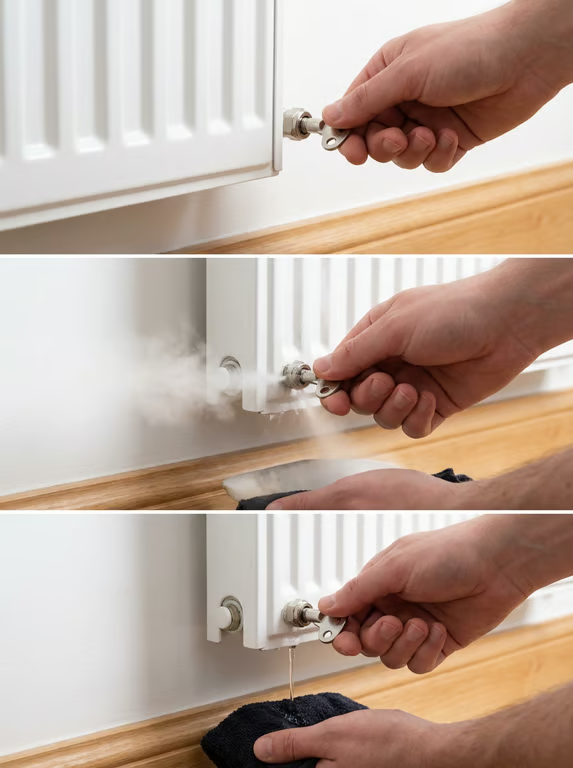
Keep the valve open whilst the air escapes, but stay alert. The hissing will gradually diminish and then stop altogether. At this point, water will begin to emerge from the valve - first as a trickle, then as a steady drip or small stream. As soon as you see water appearing consistently, close the valve immediately by turning the key clockwise. Don't overtighten it; a firm, snug closure is all that's needed to prevent leaks.
After closing the valve, wipe away any water from the radiator and surrounding area. Check the valve for any signs of dripping. If you notice a small leak, try tightening the valve very slightly - but be gentle, as excessive force can damage the valve mechanism or the radiator itself.
Once you've successfully bled one radiator, move on to the next, repeating the process throughout your home. After bleeding all radiators, check your boiler's pressure gauge. The pressure may have dropped slightly during the bleeding process, and you might need to repressurise the system according to your boiler manufacturer's instructions. But which radiator should you start with? Read on to find out.
Which Radiators do you Bleed First in a Two-Storey House
The order in which you bleed radiators can affect the overall efficiency of the process. In a two-storey house, start with the radiators on the ground floor, beginning with the one furthest from your boiler. Work your way back towards the boiler, then move upstairs and repeat the pattern.
This approach follows the principle that air naturally rises through the heating system. By starting at the lowest point and furthest distance from the boiler, you allow air to be released systematically as it would naturally accumulate. Some heating engineers suggest that this method ensures you're not simply moving air from one radiator to another, but genuinely clearing it from the system.
In a single-storey property, the same logic applies—begin with the radiator furthest from the boiler and work your way back. This systematic approach helps ensure thorough air removal from your entire heating system. If you have a combi boiler, there are a few extra things to consider.
Bleeding Radiators Combi Boiler Considerations
If your home has a combi boiler, you'll need to pay particular attention to the system pressure after bleeding radiators. Combi boilers provide both heating and hot water on demand without requiring a separate water tank, which means they're more sensitive to pressure changes.
After bleeding your radiators, check the pressure gauge on your combi boiler. Most systems operate optimally at around 1 to 1.5 bar when cold. If the pressure has dropped below this range, you'll need to repressurise the system using the filling loop - a flexible hose usually located beneath the boiler. Your boiler's manual will provide specific instructions for this process, as the exact method varies between manufacturers.
Different valve types on modern radiators may also require slightly different approaches. Whilst most use the standard bleed valve design, some contemporary radiators feature automatic air vents or alternative valve configurations. Familiarising yourself with your specific radiator models ensures you use the correct technique and tools. What happens if things don't go as planned? Let's troubleshoot some common issues.
Troubleshooting Common Radiator Bleeding Problems
Sometimes the bleeding process doesn't go quite as expected, and knowing how to respond to common issues can save considerable frustration. If you open the bleed valve and hear no hissing sound at all, this typically indicates there's no trapped air in that particular radiator. The problem causing poor heating may lie elsewhere - perhaps in a faulty valve, a blockage, or an issue with the boiler itself.
When only water emerges immediately upon opening the valve, without any preceding hissing, this again suggests minimal or no air was trapped. If the radiator still isn't heating properly, the issue might be sludge buildup or a problem with the thermostatic radiator valve preventing proper water flow.
If your radiator remains cold after bleeding, first check your boiler pressure. Low pressure can prevent proper circulation throughout the system. If the pressure is correct but the radiator stays cold, you may be dealing with a blockage caused by rust or sludge accumulation. This situation often requires a power flush - a professional service that cleans the entire heating system.
Persistent coldness in multiple radiators after bleeding might indicate a more serious problem, such as a failing pump or a significant blockage in the main pipework. In these cases, consulting a qualified heating engineer is advisable, as attempting DIY repairs on complex heating system components can lead to more expensive problems. Another common problem is radiators that keep filling with air.
Why Radiators Keeps Filling with Air
If you find yourself needing to bleed the same radiators repeatedly, something is allowing air to enter your heating system continuously. One common cause is a small leak somewhere in the system. Even a tiny leak can draw air in as water escapes, creating an ongoing cycle of air accumulation. Check around pipe joints, radiator valves, and the boiler itself for any signs of moisture or corrosion.
Another possibility involves the natural release of dissolved gases from the water in your system. When water is heated, gases that were dissolved in it can be released and form bubbles that accumulate in radiators. This process is more pronounced in systems that have recently been filled or topped up with fresh water.
In some cases, the metals used in your heating system can react with the water, producing hydrogen gas as a byproduct. This chemical reaction is more common in older systems or those that haven't been treated with corrosion inhibitor. Adding a chemical inhibitor to your system can significantly reduce this gas production and minimise the need for frequent bleeding. If air accumulation persists despite your best efforts, professional investigation is warranted to identify and resolve the underlying cause. So, how often should you be bleeding your radiators?
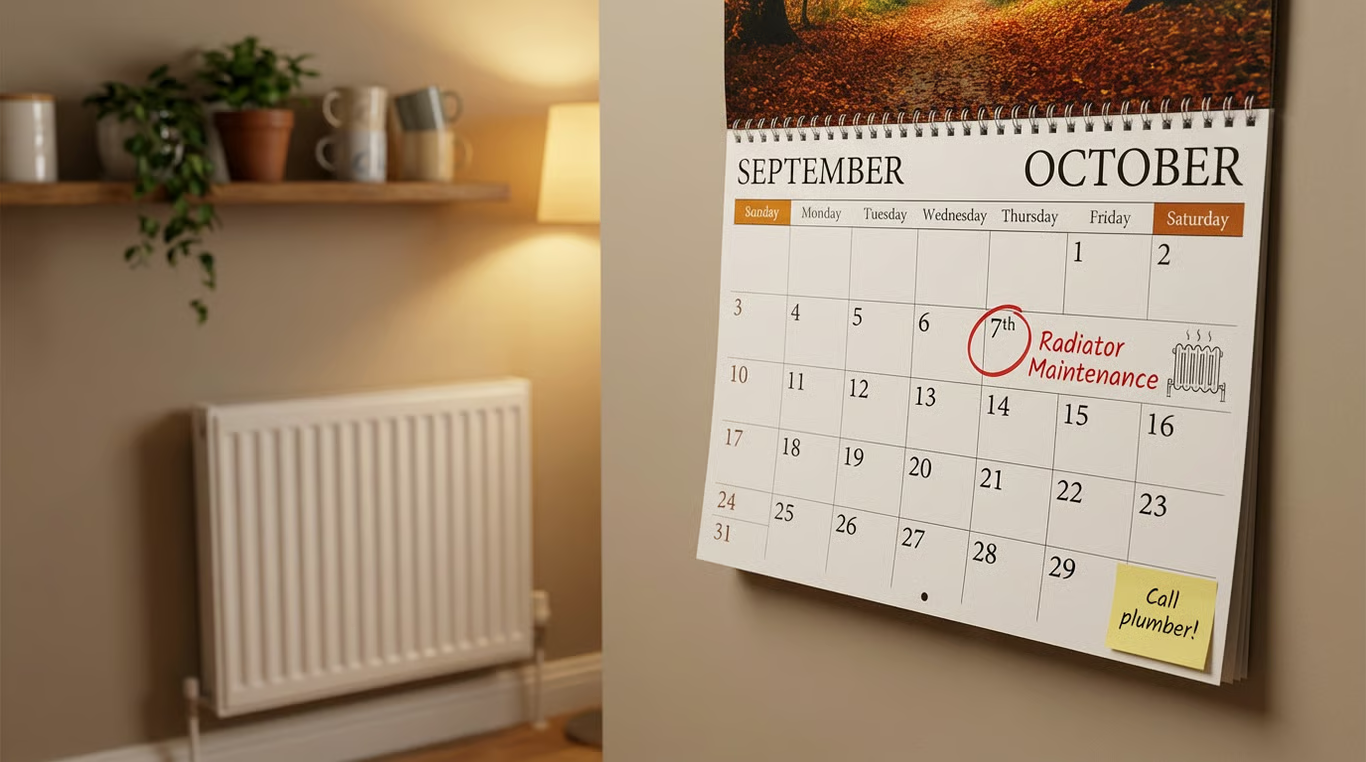
How Often Should You Bleed Radiators?
Establishing a regular maintenance schedule for bleeding radiators helps maintain heating efficiency throughout the year. As a general rule, you should bleed your radiators at the start of each heating season - typically in autumn before you begin using your heating regularly. This timing is important because air tends to accumulate in the system during the summer months when the heating sits idle.
Beyond this annual check, it's wise to monitor your radiators throughout the winter. If you notice any of the warning signs discussed earlier - cold spots, unusual noises, or reduced heating efficiency—bleed the affected radiators promptly rather than waiting for your next scheduled maintenance.
For most households, bleeding radiators every few months during the heating season strikes the right balance between maintaining efficiency and avoiding unnecessary work. If your system consistently requires more frequent attention, this suggests an underlying problem that needs addressing. Regular bleeding shouldn't be necessary more than two or three times per year in a well-maintained system.
Keeping a simple log of when you bleed your radiators can help you identify patterns and spot potential problems early. If you notice you're bleeding certain radiators much more frequently than others, this could indicate localised issues such as a faulty valve or a leak in that particular section of pipework. Once you've bled your radiators, there are a few more things you can do to keep your heating system in top condition.
Maintaining Your Heating System After Bleeding
Once you've successfully bled your radiators, a few additional maintenance steps can help keep your heating system running efficiently. First, verify that your boiler pressure is within the recommended range. Most modern boilers display the pressure on a gauge, and the ideal reading when the system is cold typically falls between 1 and 1.5 bar. If the pressure is too low, follow your boiler manufacturer's instructions to repressurise the system using the filling loop.
Consider balancing your radiators if you notice that some rooms heat up much faster than others. Balancing involves adjusting the lockshield valve on each radiator to regulate water flow, ensuring heat is distributed evenly throughout your home. This process requires a bit more technical knowledge, but it can significantly improve comfort and efficiency.
Adding a corrosion inhibitor to your heating system provides long-term protection against rust and scale buildup. These chemical treatments help prevent the formation of sludge that can block pipes and reduce efficiency. Most inhibitors need to be added when the system is filled or topped up, and they typically last for several years before requiring renewal.
Installing radiator reflector panels behind radiators mounted on external walls can improve heating efficiency by reflecting warmth back into the room rather than allowing it to escape through the wall. These simple foil panels are inexpensive and easy to fit, potentially reducing heat loss by up to 20 percent.
Regular visual inspections of your radiators and pipework help catch small problems before they become major issues. Look for signs of corrosion, leaks, or damage to valves and connections. If you spot any concerns, addressing them promptly can prevent more costly repairs down the line. Finally, consider having your heating system professionally serviced annually. A qualified engineer can identify potential problems, clean components, and ensure everything is operating safely and efficiently—giving you peace of mind throughout the heating season.
Enjoy a Warmer, More Efficient Home
Bleeding your radiators is a straightforward task that delivers significant benefits, from increased heating efficiency to lower energy bills. By following the steps outlined in this guide and performing regular maintenance, you can ensure your heating system operates at its best. Take the time to inspect your radiators for cold spots or unusual noises, and bleed them as needed, especially at the start of the heating season. For persistent issues or complex problems, don't hesitate to consult a qualified heating engineer. A well-maintained heating system not only provides a comfortable living environment but also saves you money in the long run. So, grab your radiator key, follow these tips, and enjoy a warmer, more efficient home this winter.