


Favourites

Account

Basket
VAT:
Ex
Inc


The 2028 deadline is officially locked in. As of March 24, the government has set the roadmap for the Future Homes Standard. The industry is changing; the real question is: Is your business actually new-build ready? By 2028, every new home must be "zero-carbon ready." This isn’t just a minor update; it’s a total overhaul of how we spec, install, and sign off on properties. For the trade, it’s the biggest shift in building regulations in a generation.
At City Plumbing, we don’t see a headache; we see a massive opportunity for you to lead the market. Our Renewables Team has spent several years preparing for this moment. From precision heat-loss calculations to complex solar arrays, we provide expert design, technical support, and accredited training to help you stay ahead of the curve. Here we take a quick look at what the recent news means for those in the trade.
What Are the New Rules?
The updated guidance confirms that from 2028, all new-build homes must meet strict carbon-reduction targets that effectively move heating away from the traditional grid.
- Low-Carbon Heat: New homes will be powered by air-source or ground-source heat pumps or local heat networks.
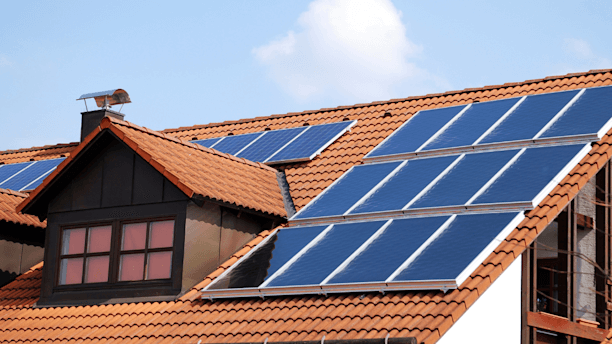
- The 40% Solar Mandate: Most new dwellings must include solar PV panels covering 40% of the ground floor area. This isn't just "slapping a few panels on." You’ll need to understand how that 40% coverage interacts with the roof structure and the new Home Energy Model (HEM).
- Home Energy Model (HEM): SAP ratings are being replaced. SAP 10.3 is the immediate bridge, but HEM is a total reset. Being "ready" means understanding how these digital models calculate heat loss in real time.
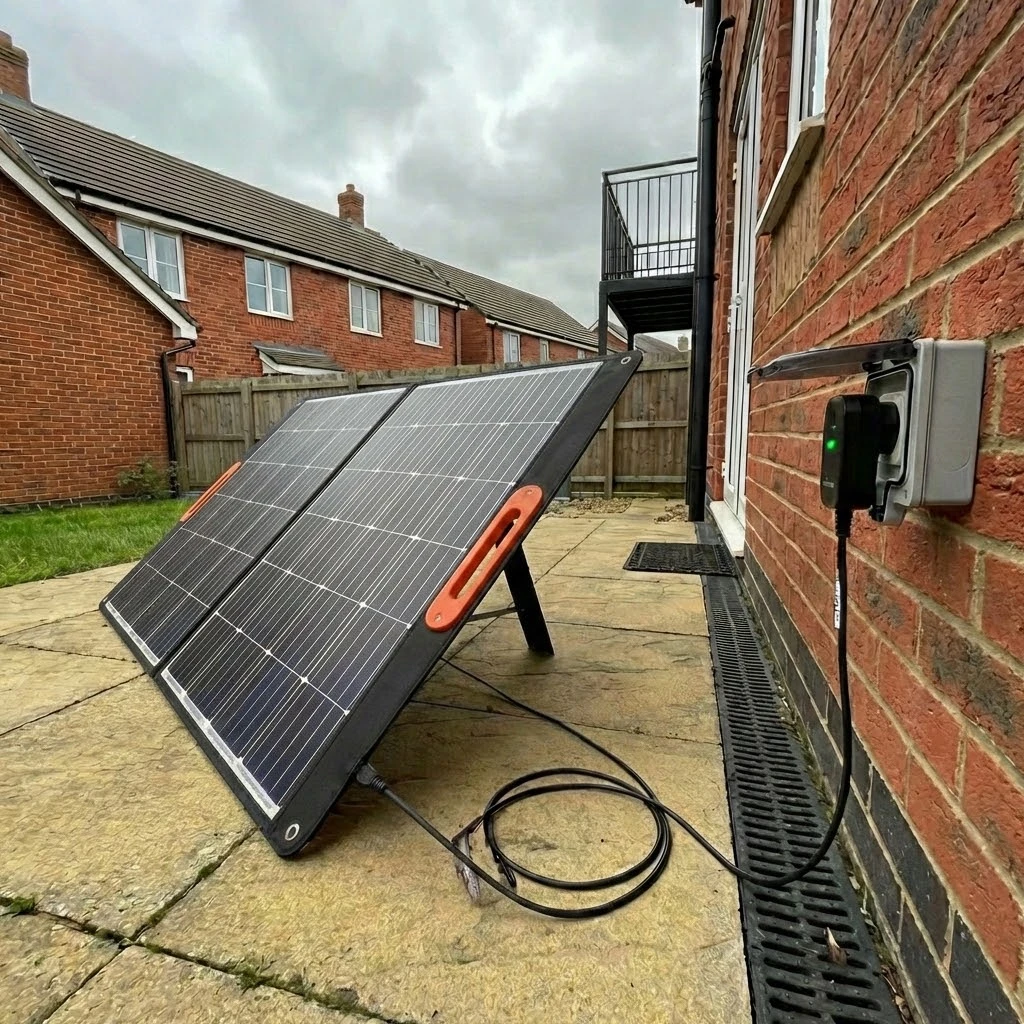
- The Rise of "Plug-and-Play" Solar: Opportunity or Risk?
It isn’t just large-scale roof arrays making waves. Since March 24, the path has been cleared for 800W plug-in solar kits to enter the UK market. While popular in Europe for balconies and small urban spaces, these kits present a unique shift for the UK trade:
- The Integration Challenge: Even though these are "plug-and-play," they still contribute to a building’s overall energy profile. For developers of smaller urban apartments, these could be a cost-effective way to hit carbon targets.
- Safety & Compliance: As a professional, your value lies in ensuring these aren't just "slapped in." Understanding how 800W of micro-generation interacts with the consumer unit and existing ring finals is crucial for preventing circuit overload.
- The Maintenance Market: These units will likely be sold directly to consumers and renters. Being "ready" means being the expert who can verify the safety of these installs or integrate them into a wider smart-home energy management system.
Green Tech Drive: 3 Ways to Get "New-Build Ready" This Week
Don’t wait until the 2028 deadline is looming to wonder how a solar inverter works or how to pipe a monobloc. Use this checklist to get ahead of the curve right now:
1. Audit Your Kit: Visit the Counter
Next time you’re in City Plumbing, don’t just grab your usual bits. Step over to the Energy Efficiency range and ask yourself: Do I actually know the specs of these units yet?
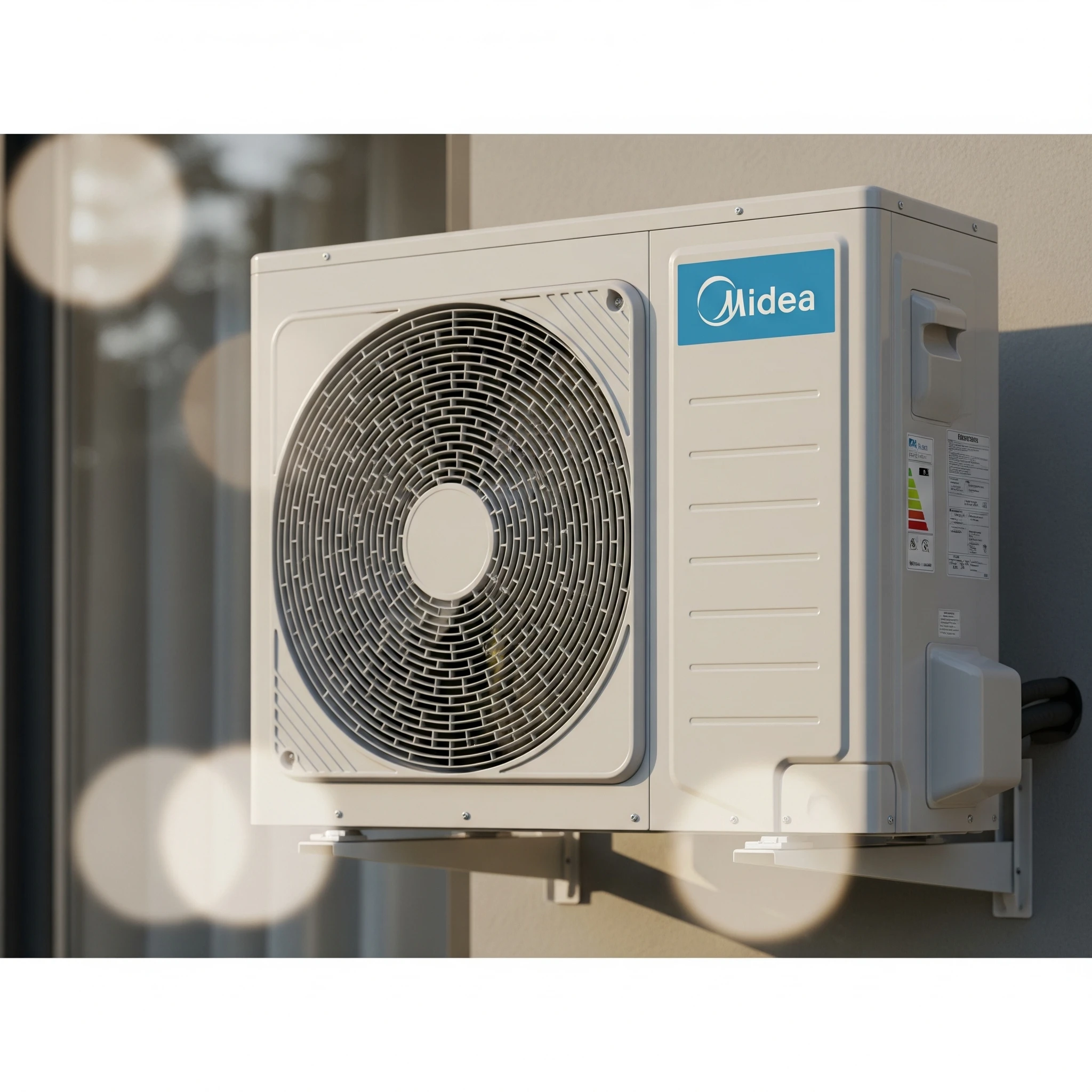
- Get Hands-on: Take a close look at the latest monobloc heat pumps and PV mounting kits.
- Ask the Experts: Talk to the branch team about "Renewables Kit Builders." They can show you how the latest integrated roof solar systems are designed for faster, more reliable installation than older "bolt-on" tech.
2. The MCS Edge: Get Certified or Get Left Behind
To win contracts on these new developments, you need to be MCS (Microgeneration Certification Scheme) accredited.
- The Bottom Line: Without MCS accreditation, you're effectively locked out of the new-build market from 2028. You simply cannot sign off on these high-spec installs without it.
- Upskill Now: Don't wait for the rush. Getting this badge now means you aren't just an installer; you’re a specialist that developers will fight to hire as the deadline approaches.
3. Consult, Don't Just Install: Start the Conversation
Your local builders and developers are likely looking at these new 2028 regs with a bit of "sticker shock." This is your chance to become an indispensable partner, not just another subbie.
- Be the Solution: Start the conversation now. Let them know you’re already getting trained up on the Future Homes Standard.
- Provide Clarity: If you can explain how that 40% solar mandate works or how a heat pump integrates with the new building fabric requirements, you're a consultant they can't afford to lose.
Preparing Your Business for the 2028 Future Homes Standard
The 2028 standards aren't just coming; they’re here. Installers who get hands-on with the kit now will own the new-build sites of tomorrow. In this changing landscape, only the "ready" will thrive. So, don't just wait for the change, be the one who leads it.
Take a further look at our website for help, visit your local City Plumbing branch today to see the tech, discuss renewables training, and get your business new-build ready.
Help & Feedback
 Chat With Us
 Give Us Feedback