



Favourites

Account

Basket
VAT:
Ex
Inc


 45 years of trusted expertise
In the current UK housing landscape, "adequate ventilation" is no longer just a recommendation; it’s a legal and moral imperative. With the introduction of Awaab’s Law and the latest updates to the Decent Homes Standard, landlords and social housing providers are under more pressure than ever to eliminate damp and mould while ensuring tenant safety.
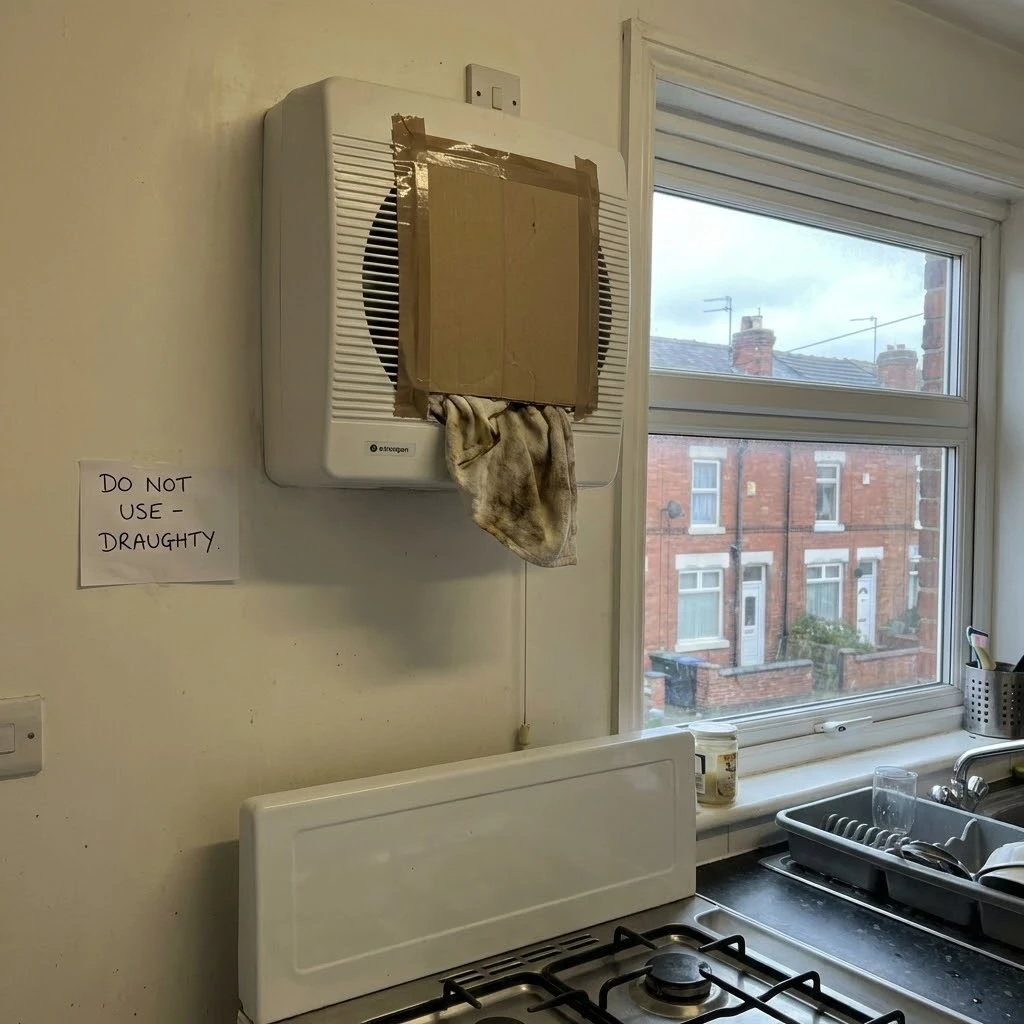
At City Plumbing, our specialist Renewables team understands the immense challenges these regulations present. Our experts recognise that traditional methods, such as extractor fans and trickle vents, often fall short. These legacy solutions rely heavily on tenant behaviour and can often be bypassed or blocked to avoid heat loss.
To truly future-proof a property and meet the stringent requirements of the New Decent Homes Standard, we must move towards smarter, more efficient technologies. This is where Mechanical Ventilation with Heat Recovery (MVHR) becomes essential.
By integrating MVHR into your housing stock, you aren't just meeting a compliance checkbox; you are investing in a high-performance system from our Renewables range that protects both the building’s fabric and the residents' health.
The Challenge: Why Traditional Ventilation Fails
Most houses in the winter are simply under-ventilated. While building regulations allow for extractor fans and trickle vents, these often introduce cold drafts. Tenants, naturally wary of high heating bills, often block these vents to keep the heat in.
The result? Stale air, high humidity, and the perfect breeding ground for mould. Furthermore, poor ventilation is a primary driver of winter illnesses; it’s not just the cold that makes us sick, but spending time in insufficiently ventilated spaces where viruses can linger.
"A lot of houses in the winter are simply under-ventilated... MVHR allows them to have adequate ventilation without the heat loss, solving the problem of damp and mould."
Jez Climas - Head of Business Development - Renewables - City Plumbing.
The Legal Context: Awaab’s Law & Decent Homes
The landscape has changed significantly with the implementation of Awaab’s Law. Social landlords must now adhere to strict timeframes for investigating and repairing damp and mould hazards. To support this, the Housing Ombudsman has released Awaab's Law learning resources to help providers navigate these new obligations.
While the New Decent Homes Standard is a cornerstone of future housing policy, its full implementation in the private rented sector isn't mandated until 2035. This timeline has sparked significant debate, as many feel the urgency of the "Decent Homes" crisis requires faster action. However, forward-thinking landlords are already looking to future-proof their properties. By upgrading now, you avoid the inevitable "compliance rush" and escalating retrofit costs as the deadline nears.

How MVHR Solves the Problem
While trickle vents meet the "minimum" for building regs, they often fail in real-world conditions. For exemplary comfort, energy performance, and, most importantly, tenant health, nothing beats MVHR. It allows residents to have a healthy, ventilated home without the heat loss, effectively solving the damp and mould crisis at the source.
MVHR (or Heat Recovery Ventilation) is a whole-house technology that forces ventilation while recovering the heat that would otherwise be lost.
- High Efficiency: By passing outgoing warm air and incoming cold air through a heat exchanger, these systems can be 80-90% efficient. The fresh air entering the room is often very close to the temperature of the air being extracted.
- Balanced Airflow: It extracts moisture-heavy air from "wet rooms" (kitchens and bathrooms) and supplies fresh, filtered air to "dry rooms" (bedrooms and living rooms).
- Smart Humidity Control: Most modern units feature a boost function. This can be triggered manually or by sensors that detect a rapid rise in humidity—perfect for when a tenant is cooking or showering.
Practical Installation: Getting it Right
For landlords considering an upgrade, MVHR units are typically tucked away in lofts or utility cupboards. While installation requires running semi-rigid ductwork through ceilings and walls, it provides a long-term fix for damp issues.
Efficiency and Running Costs of MVHR
A common misconception is that because MVHR runs 24/7, it’s expensive to operate. In reality, modern units are incredibly efficient, drawing very little power to maintain air quality.
- Power Consumption:20W – 40W (similar to a single LED lightbulb).
- Annual Running Cost:£25–£65 (depending on the system and usage).
The "Always-On" Rule
For MVHR to effectively prevent mould and maintain the necessary standards, it must remain powered on.
- The Risk of Switching Off:If a tenant switches off the unit, ventilation stops entirely. This leads to rapid humidity spikes and the inevitable return of damp.
- Cost vs Benefit:When tenants realise the system costs as little as £2 to £5 a month to run, they're far more likely to follow manufacturer guidelines.
- Net Savings:While the unit consumes a small amount of electricity, it reduces overall energy use by recovering heat that would otherwise be wasted through open windows.
Buy Mechanical Ventilation with Heat Recovery (MVHR) at City Plumbing
City Plumbing stocks a comprehensive range of MVHR systems for both whole-house projects and single-room retrofits. We’ve partnered with industry-leading brands known for high efficiency and compliance with UK building regulations.
Whole-House (Centralised) MVHR Units
These are the primary systems designed to be installed in a loft or utility cupboard to manage the entire property's airflow.
- Airflow (Adroit & Entro-V): City Plumbing carries a significant range of Airflow units, including the Entro-V range which is primarily known for being a highly versatile, "entry-level professional" solution that balances performance with ease of installation.
- Baxi: A staple of the UK heating industry, Baxi MVHR units are frequently stocked for their reliability and ease of integration with existing heating systems.
Single-Room (Decentralised) dMVHR Units
For social housing or retrofit projects where installing full ductwork is impractical, City Plumbing stocks "through-the-wall" units. These products are compact units that replace standard extract fans in kitchens or bathrooms while providing heat recovery. Many are a popular choice for tackling damp and mould in specific problem rooms without the need for a centralised unit.
Ancillary Equipment
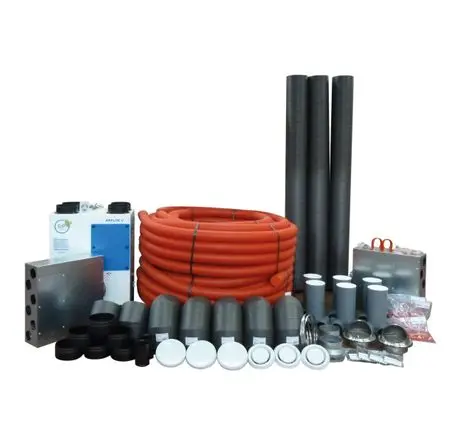
Beyond the units themselves, we stock crucial additional products such as ducting: Rigid, semi-rigid, and flexible PVC/insulated ducting options, and filtration: Replacement F7 and G4 filters to ensure the system continues to provide "fresh, filtered air".
Future-Proofing Homes For a Healthier 2026
The shift from passive trickle vents to active MVHR technology represents a turning point for the UK housing sector. As we navigate the complexities of Awaab’s Law and a more rigorous Decent Homes Standard, the goal is clear: we must provide homes that are not only energy-efficient but fundamentally healthy.
MVHR is the only solution that resolves the historical conflict between heat retention and fresh air. By removing the burden of ventilation from tenants and automating the fight against moisture, landlords can protect their assets from structural damage and their residents from respiratory risks.
At City Plumbing, we’re committed to helping you navigate this transition. Whether you’re retrofitting a single property or upgrading an entire social housing portfolio, our Renewables team provides the expertise, technical support, and industry-leading products needed to meet today’s standards and tomorrow's expectations.
Take action now: upgrade your housing stock with MVHR. Visit our website or your local City Plumbing branch to consult our Renewables team, select the best systems for your needs, and lead the way in creating healthier, compliant homes today.