



Favourites

Account

Basket
VAT:
Ex
Inc


 45 years of trusted expertise
As the UK transitions toward net-zero, homeowners and developers are increasingly looking beyond traditional fossil fuel systems. A biomass boiler represents one of the most robust renewable alternatives available today. Unlike solar or wind, which can be intermittent, biomass provides reliable, on-demand heating and hot water by utilising organic materials.
Whether you’re replacing an aging oil burner in a rural property or simply aiming to lower your carbon footprint, City Plumbing is here to help you weigh the benefits against the challenges. This guide explores everything you need to know to decide if biomass is the right fit for your home.
What is a Biomass Boiler and How Does It Work?
At its core, a biomass boiler functions similarly to a conventional gas or oil system. The primary difference lies in the fuel: instead of fossil fuels, it combusts organic matter, typically wood pellets, chips, or logs. This process is part of a "closed-loop" carbon cycle; the CO2 released during combustion is roughly equal to the amount the plant absorbed during its lifetime. According to the Energy Saving Trust, wood fuel is a lower carbon option than traditional fossil fuels because the CO2 released is roughly equal to what the tree absorbed while growing.
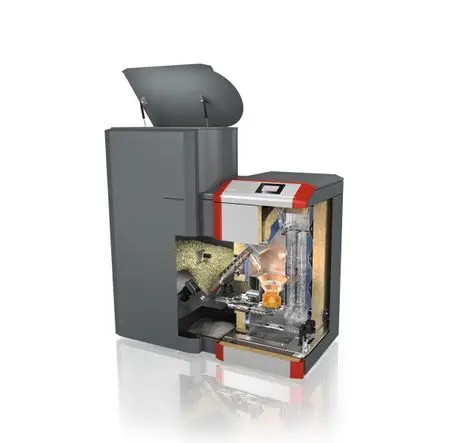
The system typically features three main components:
The Storage Hopper: Where the fuel is kept.
The Combustion Chamber: Where the fuel is ignited.
The Heat Exchanger: Where the resulting heat is transferred to your home's water circuit for heating and taps.
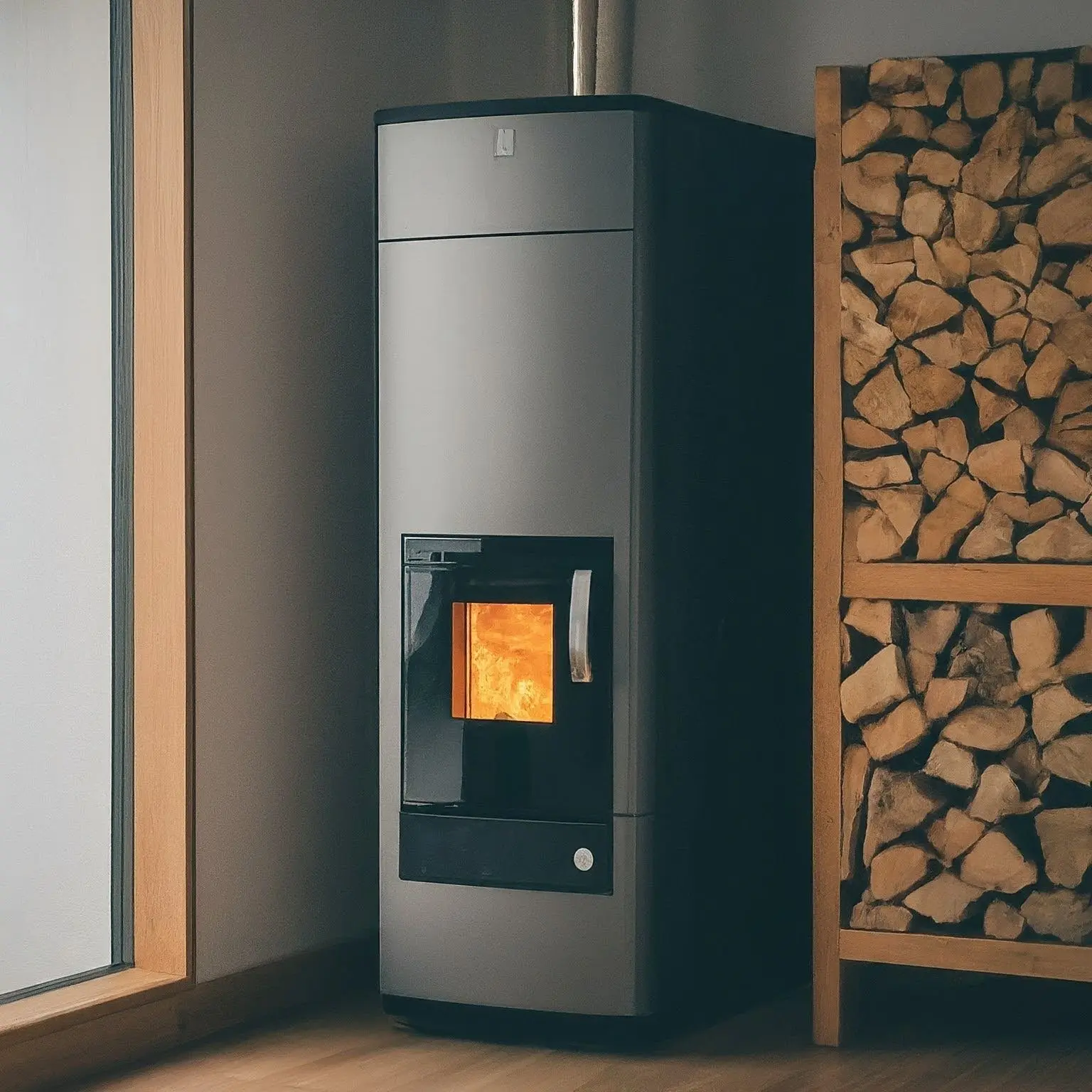
Advanced automated systems feed pellets into the burner as needed, regulating temperature with high precision. While some homeowners use wood-burning stoves with "back boilers" to supplement their heating, a dedicated biomass boiler is the standard solution for reliable, whole-house warmth.
Is a Biomass Boiler Right For My Home?
While environmentally friendly, biomass boilers are not a "one-size-fits-all" solution. Because they rely on physical fuel rather than a gas pipe, they require more planning regarding space and lifestyle.
1. Available Space
- The Factor: These systems require a significant footprint for the boiler unit, a "buffer tank" (to store hot water), and a dedicated fuel storage silo or hopper.
- Recommendation: Best suited for larger properties, farmhouses, or homes with a dedicated utility room or outbuilding.
2. Off-Grid Status
- The Factor: Biomass offers substantial fuel savings when compared to expensive fossil fuels like LPG (liquid petroleum gas), heating oil, or standard electric heating.
- Recommendation: An ideal choice for rural properties located off the main gas grid, looking for a lower-carbon alternative to oil.
3. Maintenance & Upkeep
- The Factor: Unlike "fit and forget" gas boilers, biomass units require periodic manual ash removal (though modern systems usually only need this once a month) and an annual professional service.
- Recommendation: Best for homeowners who are comfortable with minimal regular upkeep to keep the system running at peak efficiency.
4. Fuel Delivery & Access
- The Factor: Bulk pellet deliveries require specialised trucks that use a hose to blow fuel into your storage area.
- Recommendation: Ensure your property has clear, wide access for large delivery vehicles. If access is tight, you may need to manually load 15kg bags of pellets, which is more labour-intensive.
Funding and Costs: Is a Biomass Boiler a Sound Investment?
Switching to biomass is a significant financial decision, but various incentives and long-term savings can help offset the initial outlay.
The Boiler Upgrade Scheme (BUS)
The UK government currently incentivises the switch to renewable heat. Under the Boiler Upgrade Scheme, homeowners in England and Wales can receive a £5,000 grant toward a biomass boiler.
- The Catch: To qualify, your property must be in a rural area and not connected to the gas grid.
- The Standard: Your system must be installed by an MCS-certified professional to be eligible for the funding.
Why Rural Properties Win
Biomass is the "gold standard" for the countryside. Because wood pellets are often more price-stable than heating oil or LPG, the long-term savings are most significant for those currently relying on expensive tankers. Over a 10-year period, fuel savings alone can often cover the remaining installation costs.

Typical Costs in 2026
- Manual Log Boiler
- Estimated Installed Cost: £7,000 – £12,000
- Cost After £5,000 BUS Grant: £2,000 – £7,000
- Best for: Homeowners with access to cheap/free wood and who don't mind manual loading.
- Automated Pellet Boiler
- Estimated Installed Cost: £11,000 – £20,000
- Cost After £5,000 BUS Grant: £6,000 – £15,000
- Best for: Standard family homes seeking a hands-off experience similar to a gas boiler.
- Large / Commercial Grade System
- Estimated Installed Cost: £20,000 – £25,000+
- Cost After £5,000 BUS Grant: £15,000 – £20,000+
- Best for: Large rural estates, farmhouses, or small businesses with high heating demands.
2026 Expert Insight: Biomass vs. Heat Pumps While the UK government has increased grants for Air Source and Ground Source Heat Pumps to £7,500 as part of the latest green energy push, the £5,000 biomass grant remains a vital tool for rural homeowners.
Why choose biomass over a higher-grant heat pump? In 2026, many older, off-grid properties still struggle with the high levels of insulation required for heat pumps to work effectively. Biomass provides the "high-flow" temperatures needed to heat large, traditional radiators, making it the more reliable "drop-in" replacement for oil or LPG boilers without the need for a total home renovation.
The initial capital expenditure is higher than that of a standard gas boiler, yet the combination of the £5,000 grant and lower fuel prices creates a favourable return on investment.
City Plumbing Tip: Always ensure your installer provides an "EPC" (Energy Performance Certificate) assessment first. To claim the grant, your home must have no outstanding recommendations for loft or cavity wall insulation.
Biomass Boilers: The Pros & Cons
Pros
- Carbon Neutral: Utilises a sustainable, "closed-loop" fuel source that significantly reduces your overall carbon footprint compared to oil or gas.
- Fuel Savings: Wood pellets are more price-stable than heating oil or LPG. In 2026, with oil prices remaining volatile, biomass offers much more predictable monthly outgoings.
- High Efficiency: Modern, MCS-certified biomass boilers are highly engineered and often operate at over 90% efficiency.
- Government Grants: Homeowners in England and Wales can access a £5,000 grant via the Boiler Upgrade Scheme (BUS) to help with installation costs.
- The "Rural Champion": Unlike heat pumps, biomass boilers can easily provide the high flow temperatures needed for older, large-scale radiator systems commonly found in country homes.
Cons
- High Initial Cost: Even with the grant, the upfront cost is significantly higher than for a standard fossil-fuel boiler or a basic heat pump.
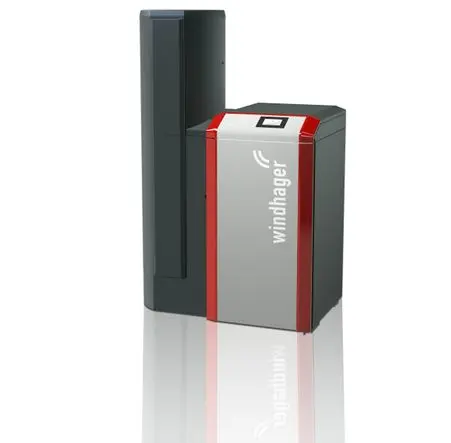
- Space Requirements: These systems require a large physical footprint for the boiler unit, the "buffer tank" (accumulator), and a dry fuel storage area.
- Maintenance: They aren't "fit and forget." They require periodic manual ash disposal (usually once a month) and an annual professional service to keep the sensors clean.
- Fuel Management: You’ll need to take an active role in monitoring fuel levels and ensuring clear driveway access for bulk-delivery trucks.
Final Verdict: Is Biomass Your Path to Net Zero?
Deciding on a new heating system is about more than just greenhouse gas emissions; it’s about choosing a technology that fits your property and your lifestyle. In 2026, biomass boilers stand out as the "Rural Champion", supplying a high-heat, high-reliability alternative for those off the gas grid who want to escape from the volatility of heating oil and LPG.
While the upfront space and maintenance requirements are higher than a standard boiler, the combination of the £5,000 Boiler Upgrade Scheme grant and significantly lower fuel costs makes biomass a savvy long-term investment for the right home.
Next Steps
- Check Your EPC: Ensure your Energy Performance Certificate is up to date. While insulation rules have become more flexible, a well-insulated home will always save you more on pellets.
- Measure Your Space: Scope out a dry, accessible area for your fuel storage and a spot for the buffer tank.
- Get Expert Advice: Every home is unique. Speak to an MCS-certified installer to get a bespoke heat-loss calculation and a clear picture of your potential savings.
Ready to transition to renewable heat? Why not speak to the Renewables Team at City Plumbing? Experts in the latest energy-efficient technologies, we're perfectly placed to help homes and businesses make the smooth transition to renewable technology.