Branch Locator
Blog
Toolbox




Favourites

Account

Basket
VAT:
Ex
Inc


Explore City Plumbing’s Amazing Electric Heating Range
Published: 16 Sep 2025 ・ Read time: 8 Mins
As the seasons change and temperatures begin to dip, many homeowners will be looking for an efficient and effective way to heat their homes. Electric heating systems like electric radiators, electric fan convectors, and storage heaters offer distinct advantages, particularly for the colder months. These products are particularly useful for specific situations, whether as supplementary heating choices or for those homes off the grid.
At City Plumbing, the home of Heating, our dedicated Elecstore has an electric heating solution to suit all needs. Here we explore the most popular types of energy-efficient electric heating systems offered to help you create a warm and cosy environment this coming season.
Common Reasons For Choosing Electric Heating Situations
There are several reasons why homeowners select electric heating for the home, including:
- Supplementary heating: Electric heaters are perfect for adding warmth to a single room or as a backup to an existing system.
- Small or well-insulated properties: For flats, studios, or well-insulated homes that don't need a constant, large-scale heating system, electric heating can be a very effective and economical choice.
- Properties without a gas supply: For rural or off-grid properties, electric heating can be a simple and efficient solution.
What Are Electric Radiators?
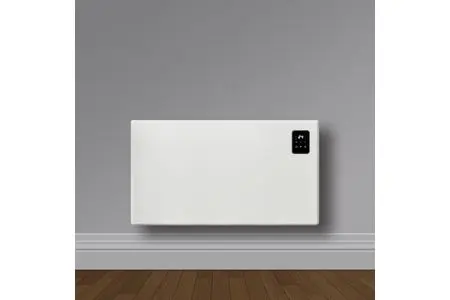
Electric radiators are modern, self-contained heating units that are becoming increasingly popular in the UK as an alternative or supplement to traditional gas central heating. They’re essentially standalone appliances that can be wall-mounted or freestanding and require only an electrical connection to operate.
How Do Electric Radiators Work?
The working principle of an electric radiator is based on converting electrical energy into heat with almost 100% efficiency. Here's a more detailed breakdown:
- Heating Element: Inside the radiator, there's a heating element, which is typically a resistive wire. When electricity flows through this element, it meets resistance, causing it to heat up. This is a process known as Joule heating.
- Heat Transfer: The heat generated by the element is then transferred to the body of the radiator. There are two main types of electric radiators based on how the heat is contained:
- Dry Thermal Element Radiators: These use a solid material like ceramic or clay as a core. The heating element is embedded within this core, which heats up quickly and then releases warmth.
- Thermal Fluid Radiators (Oil-filled): These radiators are filled with a thermal fluid, often oil. The heating element heats this fluid, which then circulates throughout the radiator body, transferring warmth to the outer surface.
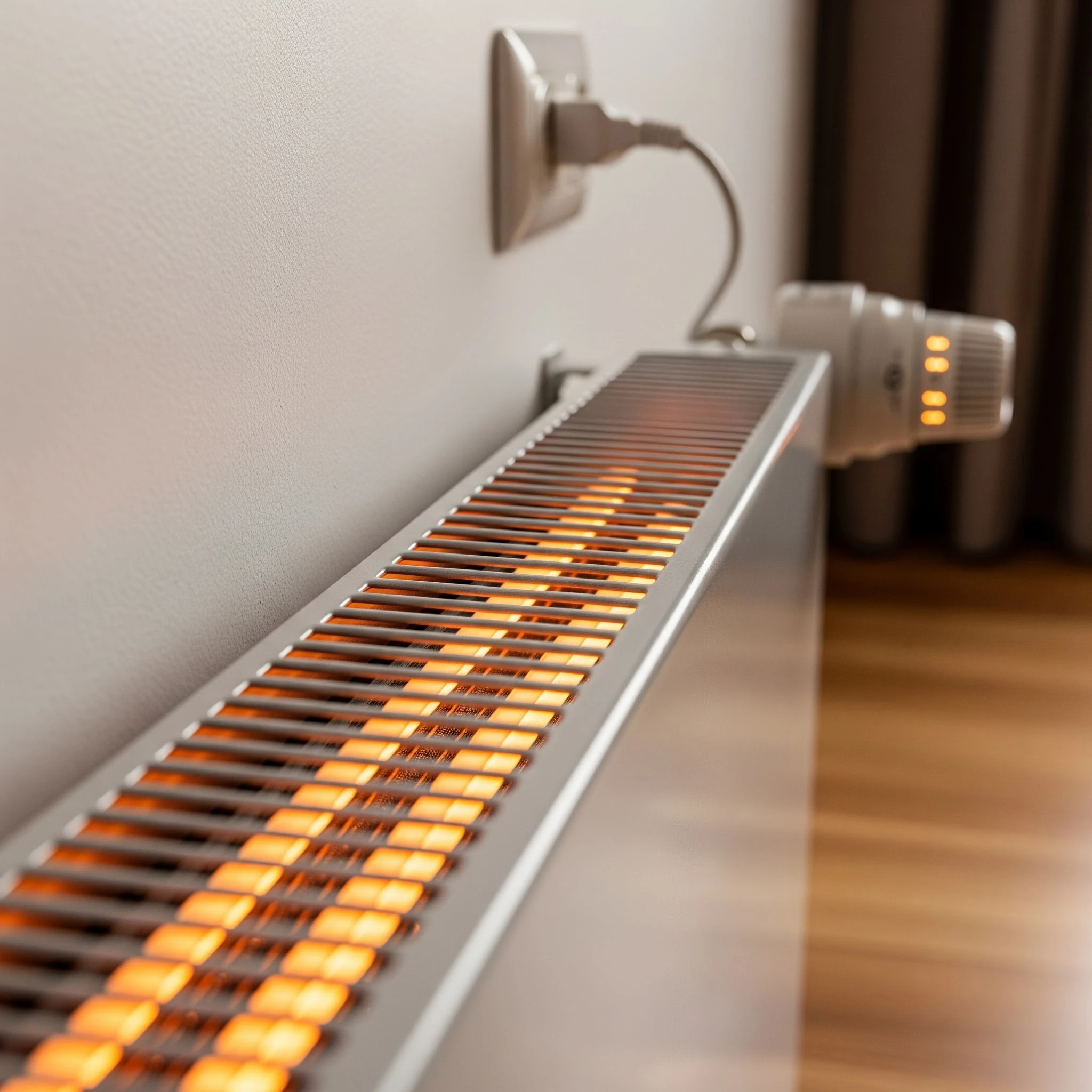
3. Heat Distribution: The warmed surface of the radiator then heats the room in two ways:
- Convection: The hot air around the radiator rises, and cooler air is drawn in from below. This natural circulation creates a continuous flow of warm air that distributes heat throughout the room.
- Radiant Heat: The radiator also emits radiant heat, similar to the warmth from the sun. This heat directly warms objects and people in the room, providing a comfortable and immediate feeling of warmth.
4. Control and Efficiency: Modern electric radiators are equipped with a highly accurate digital thermostat and advanced controls. This allows you to set a precise temperature and program heating schedules for each room individually.
The thermostat monitors the room temperature and turns the heating element on and off as needed, ensuring the radiator only draws power to maintain the set temperature. This is a key factor in their energy efficiency and a major advantage over older, less controllable electric heaters.
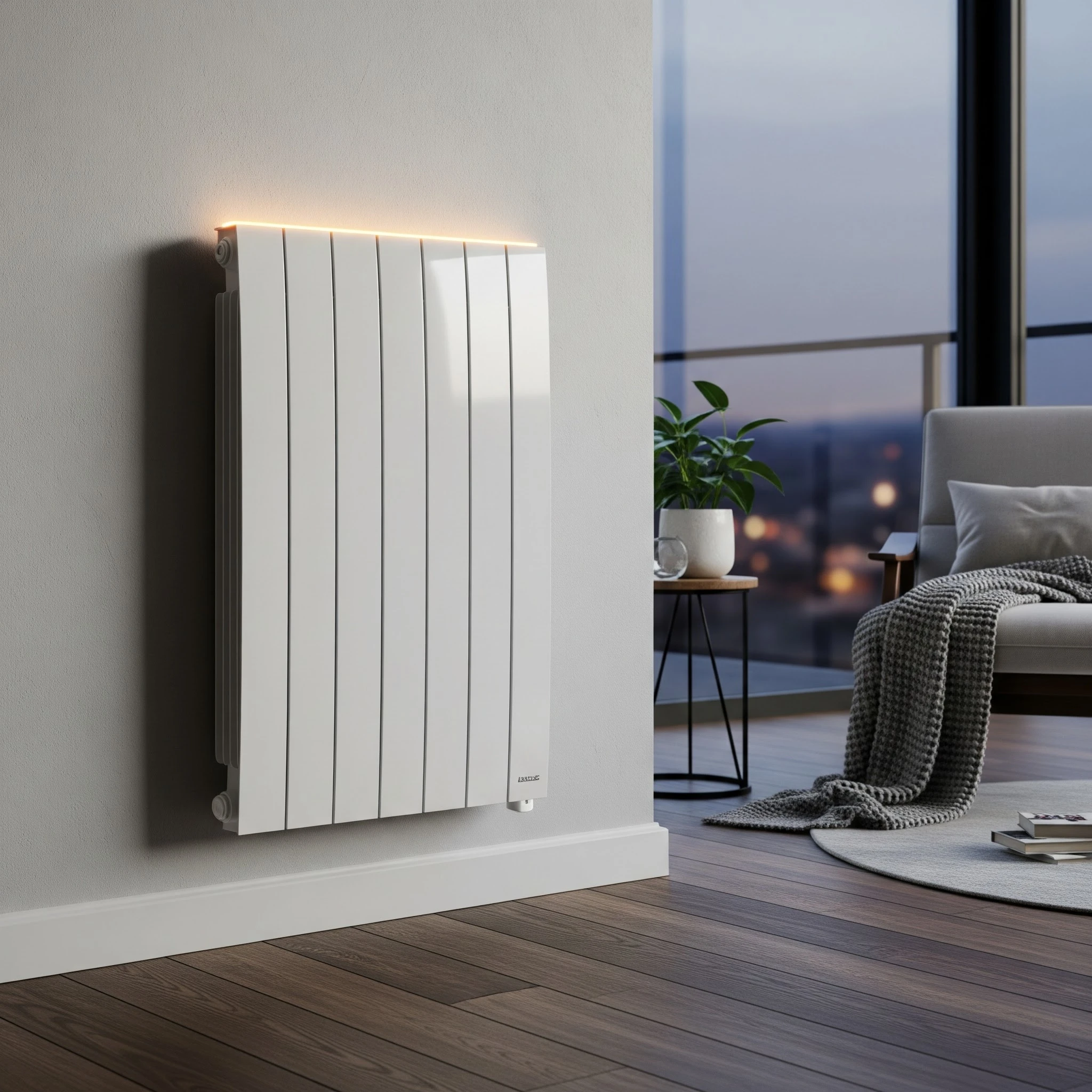
The Benefits of Choosing Electric Radiators
- Easy to Install: They don't require any plumbing, boilers, or flues, making installation simple, quick, and low-cost. They're ideal for extensions, conservatories, or properties without a gas connection.
- Zonal Heating: Each radiator acts as its own heating zone. You can heat individual rooms to different temperatures at different times, which is highly efficient and avoids wasting energy on unused spaces.
- Low Maintenance: With no moving parts or risk of leaks, electric radiators require very little to no maintenance.
- Future-Proof: As the UK electricity grid becomes increasingly powered by renewable sources, electric heating is seen as a cleaner, more sustainable way to heat homes.
What Are Electric Fan Convectors?
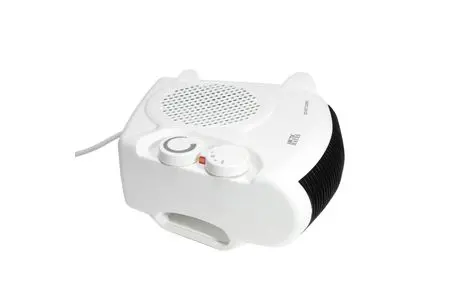
Electric fan convectors, or sometimes simply called "fan heaters," are a type of heating appliance that use a fan to actively distribute warmth around a room. Unlike a traditional radiator that relies on natural convection and radiant heat, a fan convector uses a forced-air system to heat the space more quickly and evenly.
How Do Electric Fan Convectors Work?
The process is quite straightforward:
- Air Intake: The unit draws in cool air from the room, usually through a grille at the bottom or back.
- Heating Element: The air is then passed over an internal heating element, which is heated by electricity. The element is typically a metal coil or a ceramic plate.
- Forced Convection: An integrated electric fan blows the now-heated air out into the room. This process, known as forced convection, is what sets it apart from a standard electric radiator. The fan actively pushes the warm air, circulating it throughout the space rather than waiting for natural air currents to do the job.
- Thermostatic Control: Most fan convectors have a thermostat that allows you to set a desired temperature. Once the room reaches this temperature, the unit will switch off the heating element. It will then switch back on automatically when the temperature drops, ensuring the room stays at a comfortable warmth.
The Benefits of Choosing Electric Fan Convectors
Choosing an electric fan convector can be a smart decision for several reasons, particularly in the UK's climate, where quick, responsive heating is often needed.
- Rapid Heating: The main benefit is the speed at which they can heat a room. The fan's forced-air system distributes warmth almost instantly, making it perfect for quickly heating a room on a chilly morning or providing a rapid boost of heat.
- Excellent Heat Distribution: The fan ensures that the warm air is circulated evenly throughout the room, reducing the problem of "cold spots" that can occur with other types of heating. This creates a more uniform and comfortable environment.
- Compact and Space-Saving: Fan convectors are often smaller and more discreet than traditional radiators. Some models are designed to be installed in a kitchen plinth or as a low-level, wall-mounted unit, freeing up valuable wall space.
- Energy Efficiency for Quick Use: While the running cost per hour can be higher than a radiator, their ability to heat a room so quickly means they don't have to run for as long. This can make them an energy-efficient option for rooms that are used intermittently, such as a study, guest room, or bathroom.
- Dual Functionality: Many electric fan convector models also offer a "fan-only" or "cool air" mode, allowing them to be used as a fan during the warmer summer months. This makes them a versatile appliance for year-round comfort.
- Ideal with Low-Temperature Systems: Some hydronic (wet system) fan convectors are particularly effective when paired with low-temperature heating sources like heat pumps. The fan's ability to efficiently distribute heat allows the system to operate at a lower temperature, which maximizes the heat pump's efficiency.
What Are Storage Heaters?
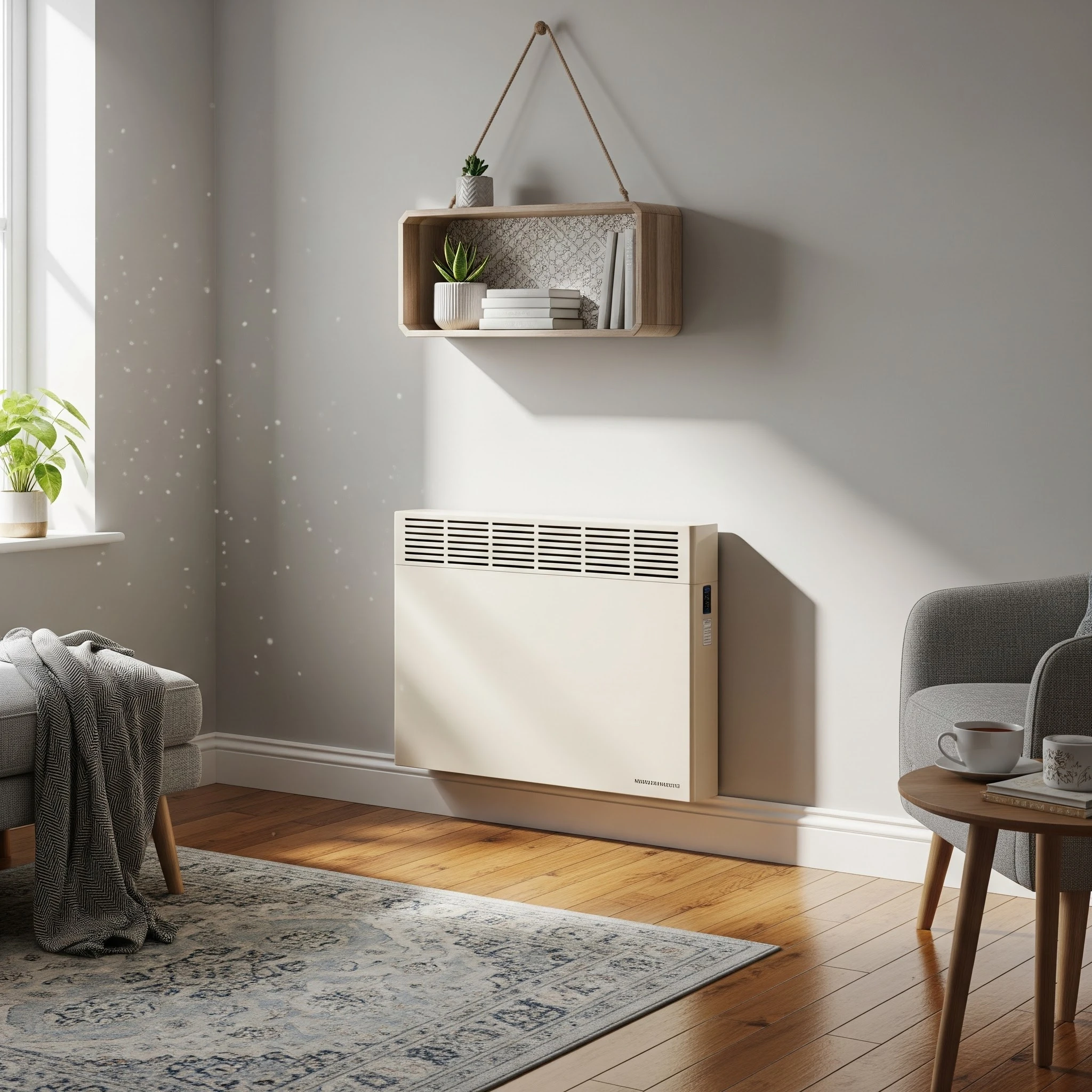
A storage heater is another type of electric heater that’s designed to be highly economical for homes that use electricity as their primary source of heat. These heaters are a highly-efficient and functional choice, popular for many homeowners, especially those who live in properties that aren't connected to the mains gas network.
How Do Storage Heaters Work?
The principle behind a storage heater is based on using cheaper, off-peak electricity to "store" heat for use during the more expensive, on-peak periods.
- Off-Peak Charging: A storage heater is linked to a special electricity tariff, most commonly an Economy 7 or similar "time of use" tariff. These tariffs offer a much cheaper rate for electricity for a set number of hours, usually overnight (for example, between midnight and 7 am). During this time, the heater automatically draws electricity to heat an internal core, which is typically made of high-density ceramic or clay bricks.
- Heat Storage: The core is surrounded by a thick layer of insulation that is designed to retain the heat. This allows the heater to store the thermal energy generated during the cheap hours.
- Gradual Release: Throughout the following day, the heater gradually releases this stored warmth into the room. Heat is released through a combination of natural convection and radiation.
- Controls: Modern storage heaters have sophisticated controls, including thermostats and programmers. The "input" control determines how much heat is stored during the night, while the "output" control regulates how quickly the stored heat is released during the day. This allows you to manage the heat supply to match your needs and avoid running out of warmth in the evening.
The Benefits of Choosing Storage Heaters
Choosing storage heaters can be an excellent decision for specific situations, offering several compelling advantages:
- Cost-Effective Running: When used with an off-peak tariff like Economy 7, storage heaters can be a very economical way to heat a home. By purchasing electricity when it is at its cheapest, you can heat your home all day for a lower overall cost.
- Continuous and Consistent Heat: Storage heaters are ideal for people who are at home during the day, such as remote workers, the elderly, or those with young children. They provide a steady, continuous background heat throughout the day, creating a consistently comfortable environment.
- Low Maintenance: Like other electric heating systems, storage heaters are simple and durable. They have no moving parts and don't require the annual servicing or safety checks that gas boilers do, which saves on maintenance costs.
- Safety: There is no combustion, so there is no risk of gas leaks or carbon monoxide poisoning.
- Future-Proof: As the UK's electricity grid becomes increasingly powered by renewable energy sources, storage heaters are a sustainable choice. By using off-peak electricity, they help to balance demand on the national grid and make better use of power that would otherwise go unused.
Choose City Plumbing for All Your Heating Requirements
By choosing City Plumbing for your electric heating requirements, you can benefit from a wide selection of products from top brands, expert advice, and the convenience of more than 350 branches nationwide. With a range of delivery options as well as a speedy Click & Collect service, we’ll keep you warm throughout the colder months.
If you’re looking for helpful advice and suggestions on choosing the best heating solutions for your home, take a further look at our Electric Heating Product Guide for more information.
Help & Feedback
 Chat With Us
 Give Us Feedback